Finding an apartment online has become very common, and many people now use Facebook Marketplace to search for cheap rentals. Unfortunately, scammers know this too. Every year, thousands of renters lose money to fake apartment listings, fake landlords, and stolen property photos.
A Facebook Marketplace apartment scam usually happens when someone pretends to be a landlord or property manager and tricks renters into sending money for an apartment that is fake, unavailable, or not actually theirs to rent. These scams can look very real, which is why many people fall for them.
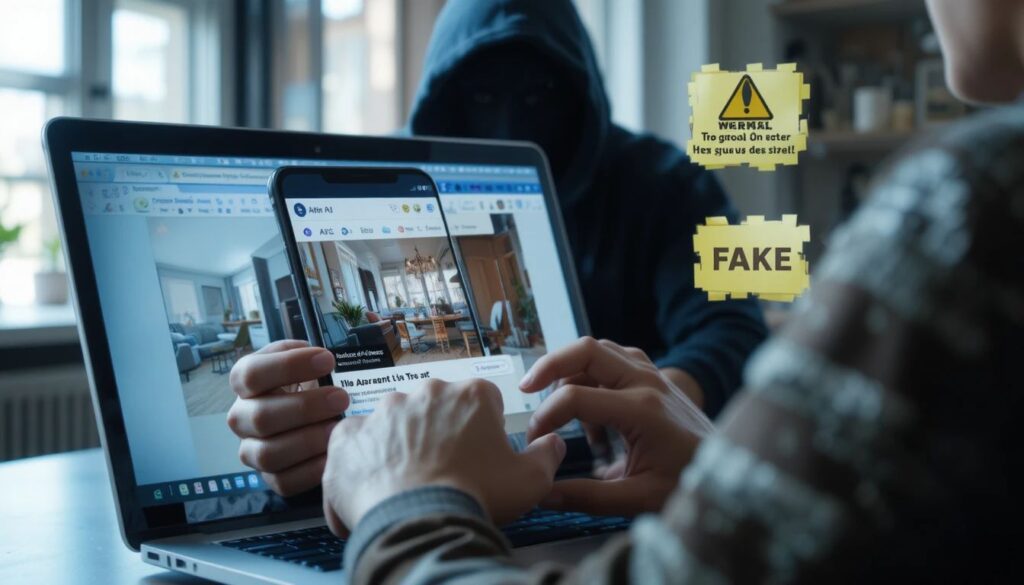
According to warnings from the Federal Trade Commission, rental scams often increase during busy moving seasons because people are desperate to find affordable housing quickly. Scammers use urgency and emotional pressure to stop renters from checking details carefully.
How a Facebook Marketplace Apartment Scam Usually Starts:-
Most scams begin with an attractive apartment listing. The listing often includes:
- Beautiful apartment photos.
- Very low rent compared to local prices.
- Short descriptions.
- Claims like available immediately.
- A request to message quickly before someone else takes it.
The scammer may steal photos from real estate websites, Airbnb listings, or legitimate apartment ads. Because the photos are real, the listing can appear trustworthy.
One of the biggest warning signs is pricing. If similar apartments in the area cost $1,800 per month but one listing shows only $900, there is a good chance something is wrong. Scammers know that cheap rent gets attention fast.
The Fake Landlord Trick:-
After you contact the listing, the fake landlord usually responds quickly. They often sound friendly and professional at first.
Common stories scammers use include:
- I moved out of state.
- I am working overseas.
- I am in the military.
- I cannot show the apartment personally.
- Too many people are interested, so you must act fast.
These excuses are designed to avoid meeting face-to-face. In many cases, the scammer says they can mail the keys after payment or asks for a deposit before showing the apartment. This is where victims usually lose money.
The Deposit Scam:-
The scammer may request:
- Security deposit.
- First month’s rent.
- Application fee.
- Holding fee.
They usually ask for payment through methods that are difficult to reverse, such as:
- Wire transfers.
- Gift cards.
- Cryptocurrency.
- Certain payment apps.
Once the money is sent, the scammer disappears.
The renter later discovers:
- The apartment does not exist.
- Someone else already lives there.
- The property was never for rent.
- The real owner knows nothing about the listing.
Real Apartment Listings Can Also Be Used In Scams:-
One dangerous part of Facebook Marketplace apartment scams is that scammers sometimes use real apartment addresses.
For example:
- They copy photos from a real listing.
- They repost the apartment at a cheaper price.
- They pretend to be the owner.
A renter may even drive by and see the apartment building exists, which makes the scam feel more believable.
But the actual landlord or property company may have no connection to the Facebook listing at all. The FTC Rental and Housing Scams page explains how fake rental listings work, common warning signs on platforms like Facebook Marketplace, and how renters can avoid losing money to apartment scams.
Why These Scams Work So Well:-
Apartment scams are successful because moving is stressful. People often:
- Need housing urgently.
- Want cheaper rent.
- Fear losing a good deal.
- Feel pressure from competition.
Scammers use these emotions to create panic and urgency.
They may say:
- Another person is ready to pay.
- You must send deposit today.
- I cannot hold the apartment without payment.
When people rush, they often skip safety checks.
Major Warning Signs of a Facebook Marketplace Apartment Scam:-
Here are some common red flags renters should never ignore:
The rent is unusually cheap:-
If the price seems far below market value, be careful.
The landlord refuses in-person meetings:-
Real landlords usually allow property tours.
Payment is requested before viewing:-
This is one of the biggest scam signs.
The landlord has excuses for everything:-
Stories about travel, military service, or emergencies are very common in scams.
Poor communication:-
Some scammers avoid direct questions or provide vague answers.
Pressure tactics:-
Scammers want quick payments before you have time to think.
Strange payment methods:-
Requests for gift cards, crypto, or wire transfers are major warnings.
How To Protect Yourself From Apartment Scams:-
Always visit the apartment in person:-
Never rent a property you have not physically seen.
- Verify the landlord:- Search the property address online and compare details with official listings.
- Reverse image search photos:- This helps identify stolen pictures from other websites.
- Ask for a proper lease:- A real landlord should provide official rental documents.
- Research market prices:- If the rent is dramatically lower than nearby apartments, investigate carefully.
- Avoid rushed decisions:- Legitimate rentals usually allow time for questions and review.
- Never pay before verification:- Do not send money until you confirm ownership and see the property.
What To Do If You Already Sent Money:-
If you believe you were scammed:
- Contact your bank or payment provider immediately.
- Report the scam to local police.
- Report the listing to Facebook Marketplace.
- File a complaint with the Federal Trade Commission.
- Save screenshots, messages, and receipts as evidence.
Sometimes fast reporting may help stop additional losses. If you want to learn more about common warning signs, read our article on Signs Of Fake Apartment Listing to understand how scammers use fake photos, low prices, and pressure tactics to trick renters online.
Can Facebook Marketplace Be Safe For Apartment Searches:-
Yes, some real landlords and property managers do use Facebook Marketplace legitimately. However, renters should treat every listing carefully until verified.
The safest approach is:
- Meet in person.
- Tour the apartment.
- Verify ownership.
- Read the lease carefully.
- Use secure payment methods.
If a landlord refuses these normal steps, it is safer to walk away. If you want to stay safe while searching for rentals online, read our FAQReply.com article on Rental Scam On Craigslist: How To Identify? to learn the biggest red flags, common scam tricks, and ways to verify apartment listings before sending money.
Why Young Renters and Students Are Common Targets:-
Scammers often target:
- College students.
- First-time renters.
- People moving to new cities.
- International renters.
These groups may be unfamiliar with local rental practices and easier to pressure emotionally. Students searching for fast housing before school starts are especially vulnerable because they may feel desperate to secure a place quickly.
Final Thoughts:-
Facebook Marketplace apartment scams continue growing because scammers can create fake listings very easily and disappear after collecting deposits. The combination of cheap prices, emotional pressure, and stolen property photos makes these scams convincing even for careful renters.
The most important rule is simple: never send money before verifying the apartment and the landlord in person.
A real rental process should include:
- Property viewing.
- Lease agreement.
- Verified ownership.
- Safe payment process.
If someone tries to skip these normal steps, there is a strong chance the listing is a scam.