Fake apartment listings are becoming more common online, especially on social media and unofficial rental websites. Scammers try to attract tenants with cheap rent and then trick them into sending money or personal details before showing the property.
Understanding the warning signs can help you avoid losing money or falling into a rental scam.
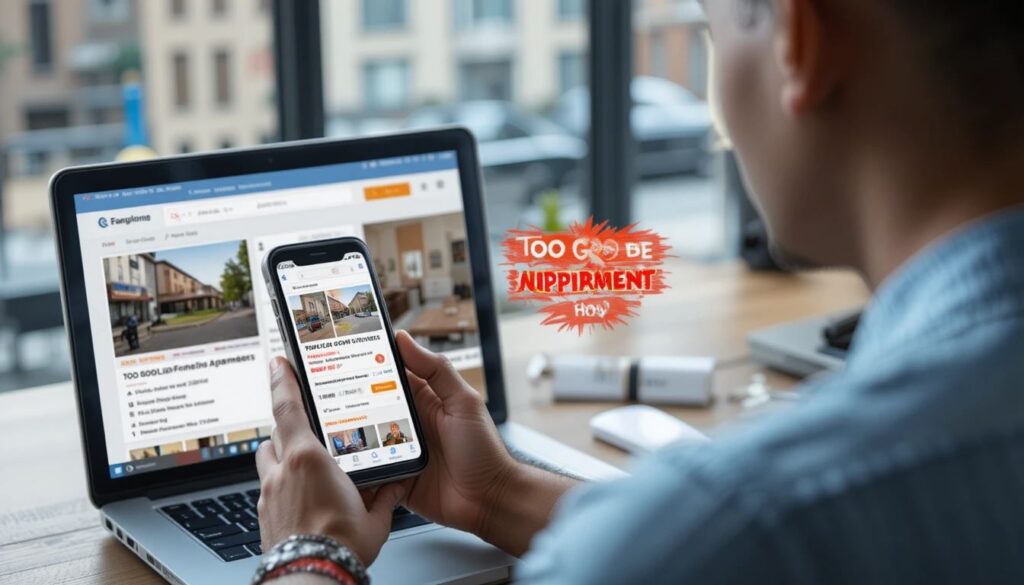
Rent Price Is Too Good To Be True:-
One of the biggest red flags is an unusually low rent compared to similar apartments in the same area.
For example:
- A two bedroom apartment is listed far below market price.
- Luxury apartment offered at a discount with no clear reason.
Scammers use low prices to attract quick interest and pressure people into acting fast.
No In-Person Viewing Allowed:-
A real landlord will almost always allow you to see the property before you rent it.
Fake listings often include excuses like:
- I am out of the country.
- Current tenant is not available.
- Emergency situation, cannot show right now.
If you are not allowed to view the property, it is a serious warning sign.
Pressure To Pay Quickly:-
Scammers often create urgency by saying:
- Many people are interested.
- Pay now to reserve it.
- First come, first served.
This pressure is used to stop you from thinking carefully or verifying details.
Asking For Money Before Seeing The Apartment:-
A very common scam sign is requesting money before any proper viewing or lease agreement.
Be careful if someone asks for:
- Security deposit.
- Application fee.
- First month’s rent.
Be cautious especially before you have seen the inside of the apartment or signed a legal lease.
Unsafe Payment Methods:-
Fake landlords often avoid secure payment systems and instead ask for:
- Wire transfers.
- Gift cards.
- Cryptocurrency.
- Personal Zelle or Venmo accounts.
These methods are difficult to trace and almost impossible to recover if the listing is fake.
Missing Or Unclear Property Details:-
Fake listings often have incomplete or suspicious information, such as:
- No full address or vague location.
- Copy-pasted descriptions.
- Missing building or landlord details.
- Photos that do not match the description.
Sometimes the same photos appear in multiple listings with different prices.
Poor Communication Style:-
Another warning sign is how the “landlord” communicates:
- Only communicates through email or text.
- Refuses phone calls or video calls.
- Poor grammar or copied messages.
- Avoids answering direct questions.
Legitimate landlords or property managers usually communicate clearly and professionally.
How To Protect Yourself From Fake Listings:-
Here are simple but important safety steps:
Do a reverse image search:-
Use Google Images to check if apartment photos are stolen from other listings.
Verify the property and owner:-
Search the address online and confirm if it matches real property records or a legitimate management company.
Always inspect the property:-
Never send money before seeing the apartment in person or via a live video tour.
Check official rental platforms:-
Use trusted sites like Zillow or verified property management platforms instead of random posts or social media ads.
Confirm ownership if possible:-
Try to verify that the person you are dealing with actually owns or manages the property.
Never send money before seeing the apartment in person or via a live video tour. If you want to understand how rental applications are verified before approval, you can also read our FAQReply article on How Can I Find Tenant Screening Services With Online Reviews, which explains how landlords check tenant reliability and listings.
What To Do If You Find a Fake Listing:-
If you suspect a scam:
- Do not send any money or personal documents.
- Stop communication immediately.
- Report the listing on the platform where you found it.
- Inform consumer protection agencies if needed.
Reporting helps protect other tenants from falling into the same scam. If you suspect a rental scam, you should report it immediately to consumer protection authorities. You can also get official guidance on rental fraud and tenant protection from the U.S. government.
Final Thought:-
Fake apartment listings are designed to create urgency and confusion so tenants act without checking properly. The most important rule is simple: never pay or share sensitive information without verifying the property first.
If something feels rushed, unclear, or too good to be true, it is always better to step back and confirm everything carefully. Taking time to verify can save you from financial loss and serious stress.