Apartment application scams happen when fake landlords or agents trick renters into paying application fees or sharing sensitive information before verifying the property. The biggest red flags include payment requests before viewing, unusually low rent, refusal to show the apartment, and demands for personal details like Social Security numbers too early.
These scams are increasing because many renters now apply online through platforms like Zillow and Facebook Marketplace, where scammers can easily post fake listings and collect applications.
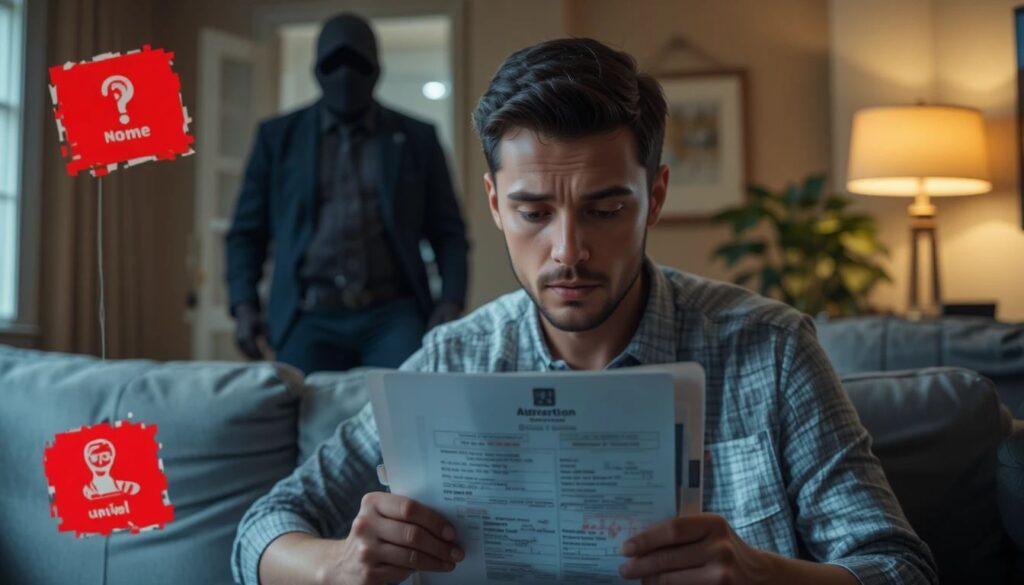
How Apartment Application Scams Usually Work:-
Apartment application scams are slightly different from basic rental scams because they focus on collecting:
- Application fees.
- Personal information.
- Deposits.
Here is how they typically work:
1. Fake listing attracts interest:-
Scammers post an attractive listing with:
- Low rent.
- Good location.
- Nice photos.
These photos are often stolen from real listings.
2. Immediate application request:-
Instead of offering a property tour, they ask you to:
- Fill out an application form.
- Pay an application fee.
- Submit personal details.
3. Early payment demand:-
They may say:
- Application fee required before viewing.
- Pay now to secure your spot.
- We have many applicants.
4. Data theft or money loss:-
After submission:
- Your money is gone.
- Your personal data may be misused.
- The scammer disappears.
Major Apartment Application Scam Red Flags:-
Payment Before Viewing the Apartment:-
This is one of the biggest warning signs.
If someone asks for:
- Application fees;
- Deposits;
- First month’s rent.
before showing the apartment, it is highly suspicious.
Legitimate landlords usually allow:
- Property tours;
- Questions;
- Lease discussions.
before asking for money.
Rent Is Too Good To Be True:-
If the rent is much lower than similar apartments nearby, be careful.
For example:
- Average rent is $1,500.
- Listing shows $700.
This is often used to attract more victims quickly.
Pressure and Urgency:-
Scammers use urgency to push quick decisions.
They may say:
- We already have many applicants.
- Submit fee now or lose the apartment.
- Only serious renters apply today.
Real landlords may have demand, but they don’t force rushed payments without proper process. If a rental deal looks unusually cheap and unrealistic, read our article on Rental Listing Too Good To Be True Scam to understand how scammers use low prices to trap renters.
No In-Person or Live Tour:-
A major red flag is refusal to show the apartment.
Common excuses include:
- I am out of the country.
- I am traveling.
- Keys are with someone else.
If you cannot visit, ask for a live video walk through. If they refuse, walk away.
Suspicious Payment Methods:-
Be cautious if asked to pay using:
- Wire transfers (Western Union, MoneyGram).
- Cryptocurrency.
- Gift cards.
- Apps like Zelle or CashApp.
These methods are hard to trace and recover.
Asking for Sensitive Personal Information Too Early:-
Scammers often request:
- Social Security number.
- Bank details.
- ID copies.
before verifying the property. This can lead to identity theft.
A real application process usually happens after:
- Viewing the apartment.
- Confirming the landlord’s identity.
Lack of Professional Documents:-
Fake landlords may:
- Provide no lease agreement.
- Send generic or poorly written contracts.
- Refuse to show identification.
Always check:
- Lease details.
- Company information.
- Official documentation.
Irregular or Limited Communication:-
Scammers often:
- Avoid phone calls.
- Refuse video chats.
- Communicate only by text or email.
They may also give unclear or inconsistent answers.
Copied or Duplicate Listings:-
Scammers frequently steal real listings and re-post them with:
- Lower rent.
- Different contact details.
To check:
- Search the address online.
- Compare listings across websites.
- Look for mismatched information.
Real-Life Example Scenarios:-
Example 1: Application fee trap:-
A renter is asked to pay a $50 application fee before viewing. After payment, the contact disappears.
Example 2: Identity theft attempt:-
A fake landlord asks for full personal details upfront. Later, the victim finds unauthorized activity using their information.
Example 3: Duplicate listing scam:-
A real apartment is copied from another website and re-posted cheaper. The scammer collects multiple application fees from different victims.
How To Protect Yourself From Application Scams:-
Always see the apartment first:-
Never apply or pay before visiting the property.
Verify the landlord or company:-
Check:
- Property ownership records.
- Business websites.
- Reviews and contact details.
Be careful with personal information:-
Only share sensitive details after verifying legitimacy.
Use secure payment methods:-
Choose payment methods that offer protection and tracking.
Take your time:-
Do not rush because of pressure from the landlord.
What To Do If You Are Targeted:-
If you suspect a scam:
- Stop communication immediately.
- Do not send money or personal details.
- Save all messages and documents.
- Report the listing on the platform.
- File a complaint with the Federal Trade Commission.
If you encounter an apartment scam, you should report it to the Federal Trade Commission (FTC) through their official reporting portal.
Why These Scams Are Increasing:-
Apartment application scams are growing because:
- More renters apply online.
- Platforms allow easy posting.
- Scammers can reach many people quickly.
- Personal data has high value.
This makes application scams both financially and personally dangerous.
Final Thoughts:-
Apartment application scams are designed to trick renters into paying fees or sharing sensitive information before verifying anything. The biggest warning signs include upfront payment requests, unusually cheap rent, refusal to show the property, and pressure to act quickly.
The safest approach is simple ie. never pay or apply before confirming the apartment and landlord are real. Always take time to verify details, protect your personal information, and avoid rushed decisions.