To verify a landlord is real, you should confirm property ownership through public records, visit the property in person, and ensure you are signing a proper lease with an identifiable person or licensed company. In the USA, fake landlords and rental scams are common, especially online.
A real landlord will always be able to prove ownership, show the property, and provide official documentation before asking for money.
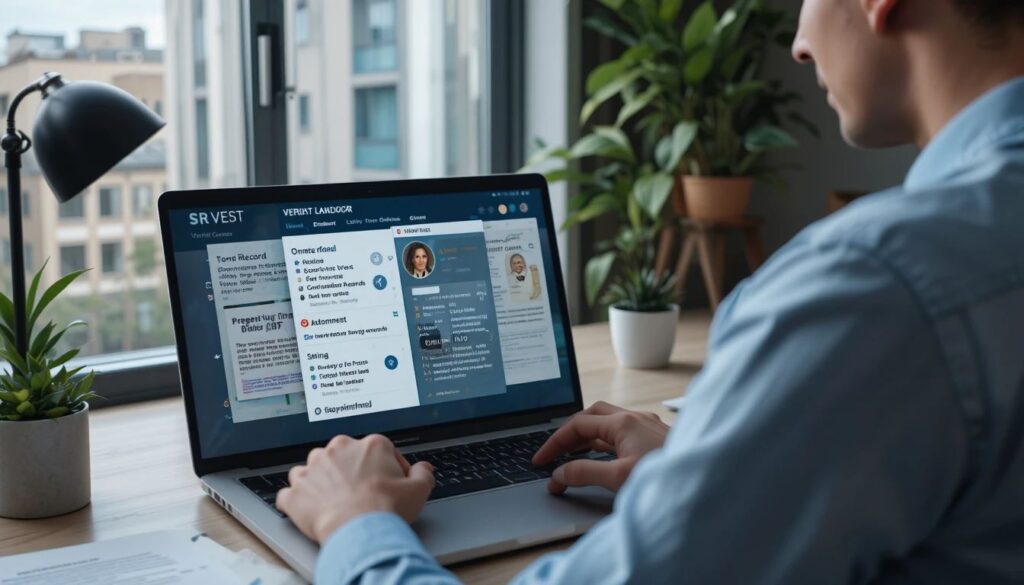
State-Specific Explanation:-
In the United States, property ownership is recorded in public databases maintained by county offices. This means anyone can verify who legally owns a property before renting it.
To check if a landlord is real, you can:
- Search county property tax records.
- Check county assessor or recorder websites.
- Match the owner’s name with the person you are speaking to.
- Confirm the property address exists and is registered.
A legitimate landlord or property manager should not hesitate to provide:
- Proof of ownership or authorization.
- A valid lease agreement.
- Identification (in some cases).
- Contact details linked to a real company or management office.
Many rental scams happen because tenants rely only on online listings without verifying ownership.
For official public property record access in the United States, you can usually start through your local county website or government portal, such as USA County Property Records Information.
Exceptions:-
Not all landlords are individual property owners. Sometimes the real landlord is:
1. Property management companies:-
These companies manage homes for owners and legally handle rent, repairs, and leases. In this case, the landlord may be a business, not a person.
2. Authorized agents:-
Some landlords use agents or representatives to handle rentals. They must still be authorized in writing.
3. Shared ownership properties:-
In some cases, multiple owners may exist, but one representative handles leasing.
Even in these cases, tenants should still receive:
- Written authorization.
- A valid lease.
- Contact information of the real owner or company.
If someone refuses to provide any proof, that is a warning sign.
Real Scenarios:-
A renter finds an apartment listed at a very low price online. The landlord refuses to meet in person and only communicates through messaging apps. The tenant checks county records and finds a completely different owner name. This reveals the listing is fake.
In another case, a tenant visits the property before signing anything. A real property manager meets them, shows ID, and provides a professional lease agreement. The ownership matches public records, confirming legitimacy.
Another situation involves a scammer copying photos from a real listing and reposting them. The renter performs a reverse image search and discovers the same photos used in multiple cities with different names. The scam is exposed before any money is paid.
These examples show that verification steps are essential before renting any property.
If you are also dealing with suspicious rental listings, this article may help: Fake Lease Agreement Scam Example, because verifying landlords is closely connected to avoiding fake rental contracts.
What To Do Next:-
If you are trying to verify a landlord, follow these steps carefully:
1. Check public records:-
Search county property records to confirm:
- Owner name;
- Property address;
- Tax records.
2. Visit the property:-
Always physically visit the unit or send someone you trust before paying any money.
3. Ask for identification:-
Request:
- Photo ID of landlord or agent.
- Proof they are authorized to rent the property.
4. Verify company details:-
If it is a management company:
- Check website.
- Look for real office address.
- Read online reviews.
5. Use safe payment methods:-
Never send money through:
- Wire transfers;
- Gift cards;
- Crypto payments to unknown accounts.
Use traceable methods like bank checks or verified payment platforms.
6. Read the lease carefully:-
Do not sign anything without:
- Clear rental terms.
- Full landlord details.
- Contact information.
Common Mistakes:-
- One major mistake is trusting online listings without verification. Scammers often create fake ads that look very professional.
- Another mistake is sending deposits before visiting the property. Real landlords rarely demand money before showing the unit.
- Some renters also ignore public records, which is one of the easiest ways to confirm ownership.
- Another issue is rushing due to pressure. Scammers often say many people are interested to force quick decisions.
- Finally, some tenants do not check photos carefully. Using reverse image search can quickly reveal stolen listing photos.
Final Thought:-
Verifying whether a landlord is real is one of the most important steps before renting any apartment. In most cases, a legitimate landlord will have no problem proving ownership, showing the property, and providing a proper lease agreement.
By checking public records, visiting the property, and using safe payment methods, you can protect yourself from rental scams and avoid losing money. Taking a few extra minutes to verify everything can save you from serious financial and legal problems later.