Zillow rental scams happen when scammers create fake rental listings or pretend to be landlords to steal deposits, application fees, or personal information from renters. The biggest warning signs include unusually cheap rent, refusal to show the property in person, pressure to pay quickly, and requests for unsafe payment methods like wire transfers, cryptocurrency, Zelle, or gift cards.
Online rental scams have increased in recent years because more people search for apartments online. While Zillow is a popular and legitimate rental platform, scammers still try to misuse the site to target renters looking for affordable housing.
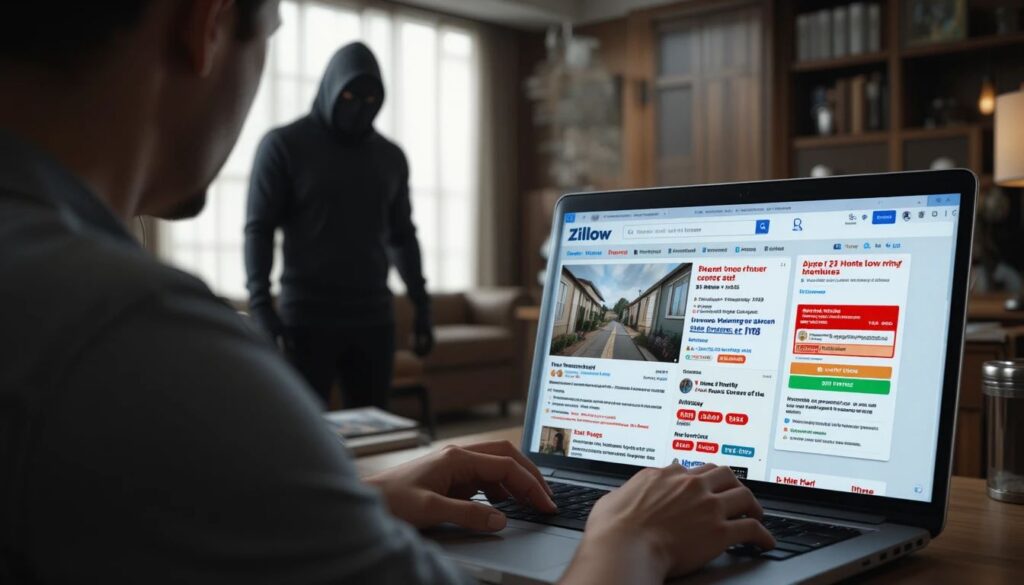
Many fake listings look completely real at first. They may include professional photos, detailed descriptions, and even real property addresses. That is why renters must know the warning signs before sending money or personal information.
The Federal Trade Commission housing scam advice page explains common rental scam warning signs, including fake landlords, stolen listings, and unsafe payment requests that renters should avoid when searching for apartments online.
How Zillow Rental Scams Usually Work:-
Most Zillow rental scams follow a similar pattern. A scammer copies photos from a real apartment listing or home sale listing and re-posts them as a fake rental advertisement. The fake listing usually offers:
- Lower than normal rent.
- Attractive features.
- Urgent availability.
- Easy approval process.
When renters contact the listing, the scammer pretends to be the landlord or property manager. They often create believable stories to avoid meeting in person.
Common excuses include:
- I moved overseas.
- I am currently traveling.
- I am in the military.
- I cannot show the property personally.
The scammer then pushes the renter to send money quickly before someone else takes the apartment.
After payment, the scammer disappears.
Biggest Zillow Rental Scam Signs To Watch:-
Rent Is Far Below Market Price:-
One of the biggest warning signs is extremely cheap rent.
For example:
- Nearby apartments cost $2,000 monthly.
- The Zillow listing shows only $950.
Scammers intentionally use low prices to attract desperate renters quickly. If the deal looks far better than everything else nearby, investigate carefully before continuing. To understand how fake landlords use stolen photos, low prices, and deposit tricks to target renters online, read our article on Facebook Marketplace Apartment Scam: How It Works?
The Landlord Refuses In-Person Tours:-
A real landlord or property manager usually allows apartment tours.
Scammers often avoid in-person meetings because:
- They do not own the property.
- They cannot access the apartment.
- The listing is fake.
Some scammers may tell renters:
- Drive by the property only.
- Look through windows.
- Use old photos instead of current tours.
Never agree to rent a property without seeing the inside first.
If you cannot visit personally, ask a trusted friend or local representative to inspect the apartment.
Pressure To Send Money Quickly:-
Scammers create fake urgency to stop renters from thinking carefully.
They may say:
- Many people are interested.
- You must send deposit today.
- First payment secures the apartment.
- I cannot hold it without payment.
Real landlords may move quickly too, but they normally still allow:
- Property tours.
- Lease review.
- Questions and verification.
High-pressure tactics are a major red flag.
Requests For Unsafe Payment Methods:-
One of the clearest signs of a Zillow rental scam is suspicious payment requests.
Be careful if someone asks for payment through:
- Wire transfers;
- Cryptocurrency;
- Gift cards;
- CashApp;
- Zelle;
- Venmo to personal accounts.
These payment methods are difficult to reverse once money is sent.
Legitimate property managers usually use:
- Official payment systems.
- Verified company accounts.
- Secure rental portals.
- Trackable payment methods.
Duplicate Or Stolen Listings:-
Scammers frequently steal real property listings.
They may:
- Copy photos from real estate sites.
- Reuse old rental listings.
- Use real home addresses.
- Pretend to own properties they do not control.
Sometimes renters discover:
- The property is actually for sale, not rent.
- Another family already lives there.
- A real agent is managing the property.
To protect yourself:
- Search the address online.
- Compare listing photos across websites.
- Look for duplicate listings with different contact information.
Poor Grammar And Strange Communication:-
Not every scammer writes poorly, but many fake listings contain:
- Random capitalization.
- Broken English.
- Repetitive messages.
- Generic responses.
Some scammers avoid direct questions about:
- Lease details.
- Building rules.
- Viewing times.
- Ownership verification.
If communication feels strange or evasive, be careful.
Scammers Asking For Sensitive Personal Information:-
Some Zillow scammers try to steal identities instead of deposits.
They may ask for:
- Social Security numbers.
- Bank account details.
- Driver’s license photos.
- Credit card information.
Never share sensitive personal information before verifying the landlord and property.
A real rental application usually happens after:
- Viewing the property.
- Confirming ownership.
- Reviewing lease terms.
How To Protect Yourself From Zillow Rental Scams:-
Always Visit The Property
The safest rule is simple ie. Never rent sight unseen.
In-person tours help confirm:
- The apartment exists.
- The landlord has access.
- The listing matches reality.
Verify Property Ownership:-
Search public property records or county websites to confirm ownership information.
Make sure:
- The landlord’s name matches records.
- The management company is legitimate.
- Contact details are consistent.
Use Zillow’s Built-In Systems:-
Whenever possible:
- Keep communication inside Zillow.
- Use verified tools.
- Avoid moving conversations immediately to texting apps.
Official platforms usually offer better tracking and fraud reporting options.
Research The Landlord Or Company:-
Search online reviews and business details.
Look for:
- Verified websites.
- Real office addresses.
- Google reviews.
- Professional licensing information.
Fake landlords often have little or no online presence.
Never Rush Payments:-
Take time to:
- Read the lease carefully.
- Verify details.
- Compare rental prices.
- Ask questions.
Scammers depend on emotional decisions and panic.
What To Do If You Already Paid A Scammer:-
If you believe you were scammed:
- Contact your bank or payment app immediately.
- Report the listing to Zillow.
- File a report with the Federal Trade Commission.
- Save screenshots, emails, and payment receipts.
- Report identity theft if personal information was shared.
Fast action may improve the chance of limiting financial damage. If a fake landlord is asking for money, read our article on Fake Landlord Asking For Money. What To Do About This Scam? to learn how to identify the scam, avoid sending payments, and take the right steps to protect your money and report the fraud.
Why Rental Scams Continue Growing:-
Rental scams continue increasing because housing demand is high, especially in large cities and college towns.
Scammers know many renters:
- Need housing urgently.
- Want lower prices.
- Fear missing opportunities.
- Search online daily.
This creates the perfect environment for fake listings and emotional pressure scams.
Final Thoughts:-
Zillow itself is a legitimate rental platform, but scammers still try to exploit renters through fake listings and stolen property photos. The biggest Zillow rental scam signs include unusually cheap rent, refusal to allow property tours, unsafe payment requests, and pressure to act immediately.
The safest approach is always to slow down, verify ownership, visit the property in person, and avoid sending money before confirming everything is legitimate. If something feels rushed, secretive, or too good to be true, there is a strong chance it may be a rental scam.