Can a landlord enter your apartment anytime or without notice? Many tenants worry about situations like a landlord having a key and entering anytime, or a landlord keeps coming in without notice and scaring them. In most U.S. states, the answer is no. A landlord cannot legally enter your home whenever they want, even if they have a key.
They must usually give advance notice (commonly 24 hours), have a valid reason, and come at a reasonable time. If your landlord enters without notice and it makes you feel uncomfortable or unsafe, it may be a violation of your legal rights and privacy.
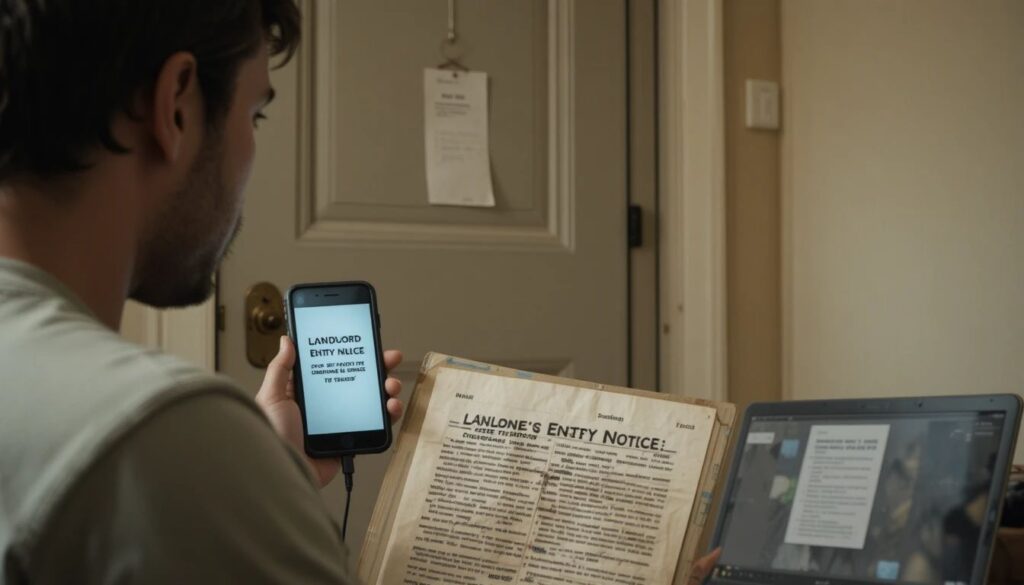
State-Specific Explanation:-
In the United States, landlord entry rules depend on state law, but the basic rules are very similar everywhere.
First, landlords cannot enter freely just because they have a key. Once you rent the apartment, it becomes your private space during the lease period.
Second, in most states, landlords must give written notice before entering the apartment. The notice is usually 24 hours in advance, but in some states it can be 48 hours or reasonable notice. The notice should normally include date, time, and reason for entry, especially for showings or inspections. Entry is expected to happen during reasonable hours (usually daytime, not late night or early morning).
Third, they must have a valid reason. Legal reasons include:
- Repairs or maintenance.
- Property inspections.
- Showing the apartment to buyers or new tenants.
Fourth, entry must happen at a reasonable time, usually during daytime hours, not late at night.
Tenants have a legal right to quiet enjoyment of the home, meaning they should be able to live peacefully without unwanted disturbance. Even though the landlord owns the property, the rented home is considered the tenant’s private space during the lease.
If a landlord enters without permission or proper notice, it may be treated as a violation of tenant privacy or even a lease breach. So, even if your landlord has a key, they cannot use it to enter anytime they want.
Exceptions:-
There are limited situations where a landlord can enter without notice:
- Emergency situations: Such as fire, gas leak, flooding, or danger to life or property.
- Tenant permission: If you allow them to enter at that time.
- Legal or court order: In rare cases with official approval.
In emergencies, landlords can enter immediately to prevent damage or harm. They are usually allowed to enter only for specific reasons such as:
- Repair and maintenance work.
- Property inspections.
- Showing the apartment to new tenants or buyers.
- Emergency situations that need immediate action.
Outside of these situations, entering without notice is usually not allowed. To stay safe while renting you can read our article on How Fake Landlords Trick Tenants?, it also helps to understand how fake landlords trick tenants before paying any money.
Real Scenarios:-
Here are common situations tenants face that combine all three issues:
- Landlord uses key and enters anytime: This is not legal in most cases. Having a key does not give unlimited access.
- Landlord enters without notice and scares you: This is a serious issue. It can feel unsafe and may be considered a violation of your rights.
- You feel afraid landlord may enter anytime: This often happens when boundaries are not respected. Fear and discomfort are valid concerns.
- Landlord enters when you are not home: This is allowed only if proper notice was given before.
- Frequent or random entries: Even with some notice, repeated entry can become harassment.
- Lease says landlord can enter anytime: Even if written, this may not override state laws that protect your privacy.
These situations are very common and often happen when tenants are not aware of their rights. If a landlord enters repeatedly without notice or keeps showing up unexpectedly, it can create a pattern of harassment. Even if entry happens sometimes with notice, too many visits that disturb daily life can still become a serious issue.
What To Do Next:-
If your landlord is entering without notice or making you feel unsafe, here’s what you can do:
- Check your lease: Look for rules about notice, entry timing, and communication.
- Start documenting everything: Write down dates, times, and what happened. Save messages or emails.
- Communicate clearly: Tell your landlord that you need proper notice before entry.
- Set boundaries: You can refuse entry if notice was not given (unless it’s an emergency).
- Send written notice: Email or letter is better for proof. Clearly explain your concern.
- Improve your safety feeling: You can request that the landlord only enter when you are present or at agreed times.
- Seek legal or tenant help: If it continues, contact tenant support groups or legal aid.
Taking early action can stop the problem and protect your peace of mind. A helpful government resource for tenant rights and housing protections is the U.S. Department of Housing and Urban Development Fair Housing page.
Common Mistakes:-
Avoid these mistakes that many tenants make:
- Thinking landlord can enter anytime: This is not true, even if they have a key.
- Ignoring fear or discomfort: If you feel unsafe, it is important to act.
- Not checking the lease or laws: Many answers are already written there.
- Not keeping evidence: Without proof, it is harder to take action.
- Blocking valid entry: If proper notice is given, you should allow entry.
Understanding your rights helps you handle the situation better.
Final Thought:-
Your apartment is your private space, not your landlord’s open property. Even if they own the building or they have the keys, they must respect your rights, your safety, and your peace. Entering without notice, using a key anytime, or scaring tenants is not acceptable in most situations.
A landlord is not allowed to punish or threaten a tenant for complaining about privacy violations. Actions like threats, harassment, or unfair eviction after a complaint may be considered retaliation, which is illegal in many states.
If you feel uncomfortable or afraid because your landlord may enter anytime, take it seriously. Learn your rights, speak up, and protect your space. You deserve to feel safe in your living space.