If you are asking where to report landlord harassment using tenant support websites, the answer is: you can report landlord harassment in the United States through official platforms like the U.S. Department of Housing and Urban Development (HUD), your state Attorney General’s website, local housing authorities, and trusted tenant support organizations.
The best approach is to document the harassment, file a formal complaint online, and use tenant support websites for guidance and legal help.
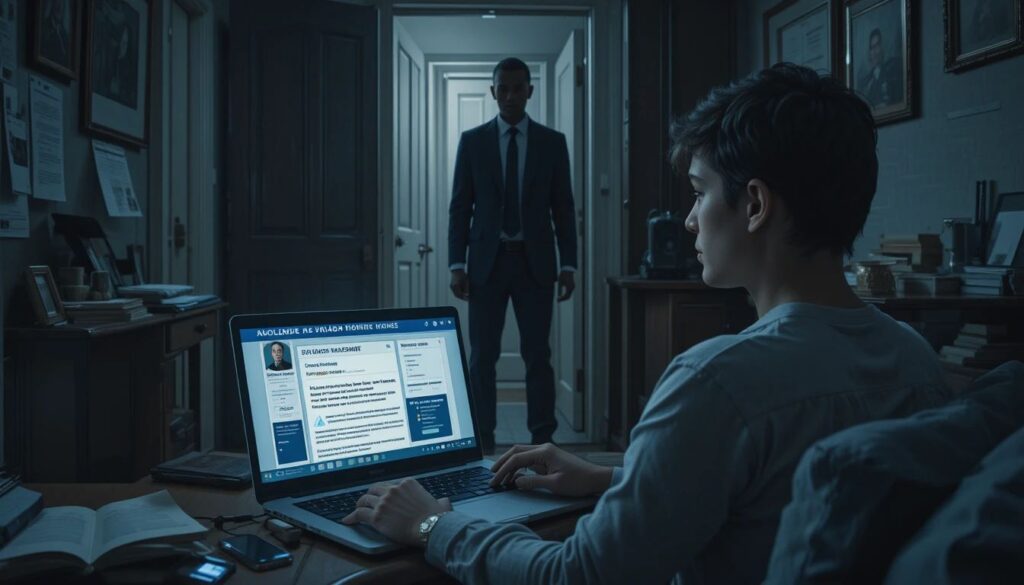
General Explanation:-
In the U.S., landlord harassment is taken seriously, especially when it affects your right to live peacefully in your home. This right is often called “quiet enjoyment”. Harassment may include repeated unwanted visits, threats, shutting off utilities, or trying to force you to leave illegally.
Here are the main places you can report landlord harassment online:-
Federal Complaint (Discrimination or Serious Violations):-
- File a complaint with the U.S. Department of Housing and Urban Development (HUD).
- This is especially important if harassment involves discrimination (race, religion, gender, disability, family status, etc.).
- You can submit complaints directly through HUD’s official website.
- Understanding the housing discrimination complaint process is important, as federal law protects tenants from unfair treatment based on race, religion, gender, disability, and more.
State Attorney General Website:-
- Every state has an Attorney General office that handles consumer and tenant complaints.
- Search your state’s official site for landlord-tenant complaint forms.
- These are useful for fraud, unfair practices, or repeated harassment.
Local Housing Authorities or City Agencies:-
- Many cities have housing departments or tenant protection offices.
- They handle issues like illegal eviction, unsafe housing, or harassment.
- Some cities (like New York or Los Angeles) have strong tenant reporting systems.
Tenant Support Websites and Organizations:-
You can also use trusted support platforms such as:
- Legal Services Corporation: Helps low income tenants find free legal aid.
- National Housing Law Project: Provides tenant rights guidance.
- Nolo: Offers simple legal explanations and templates.
These websites don’t always take complaints directly, but they guide you on how to file properly and protect your rights.
Exceptions And Special Situations:-
- Emergency situations: If your landlord threatens violence or tries to remove you forcefully, contact local police immediately.
- State differences: Some states like California and New York have stricter anti-harassment laws and allow tenants to sue landlords directly.
- Private vs. subsidized housing: If you live in federally assisted housing, HUD is usually the best place to report.
Real Scenarios:-
- A landlord keeps entering your apartment without notice: You can report this to your local housing authority and file a complaint through HUD if it becomes severe.
- A landlord shuts off water or electricity to force you out: This is illegal in most states, and you should report it to both local authorities and your state Attorney General.
- A landlord sends repeated threatening messages: You can document these and use tenant support websites to prepare a formal complaint.
What To Do Next:-
Here are simple steps you should follow:
- Document everything:-
- Save messages, emails, photos, and videos.
- Write down dates and details of each incident.
- Send a written complaint to your landlord:-
- Clearly explain the problem.
- Ask them to stop the behavior.
- File an official report online:-
- Use HUD or your state Attorney General website.
- Submit all your evidence.
- Use tenant support websites:-
- Get legal advice or complaint templates.
- Understand your rights better.
- Seek legal help if needed:-
- Contact legal aid organizations for support.
You can also learn how to file a complaint against a landlord in the US using the official government guide, which explains different reporting options and agencies available to tenants.
If you’re unsure about your rights, you can also read our guide on tenant safety issues like Landlord Making Me Uncomfortable: What Can I Do?, which explains early warning signs and actions you can take.
Common Mistakes:-
- Not keeping proof: Without evidence, your complaint may be weak.
- Ignoring the problem too long: Early action can prevent escalation.
- Only complaining verbally: Always submit written complaints
- Not using official channels: Reporting through proper websites is important
- Assuming all actions are legal: Many landlord actions that seem normal may actually be illegal
You should also be careful in situations where money is involved. For example, check our guide on Paid Deposit But Landlord Disappeared: What To Do? to avoid financial scams related to rentals.
Final Thought:-
Landlord harassment can feel stressful, but you are not powerless. The U.S. system provides multiple ways to report and stop it, from federal agencies like HUD to local housing departments and trusted tenant support websites. The key is to act early, keep records, and use the right platforms. Once you take these steps, you protect not only your home but also your legal rights.