If you are wondering landlord yelling at tenant, is it allowed?, the answer depends on the situation, but in most cases it is not acceptable if it is used to threaten, pressure, or intimidate you.
Landlords are expected to communicate respectfully, and repeated yelling or abusive behavior can cross the line into harassment and may violate your right to live peacefully in your home.
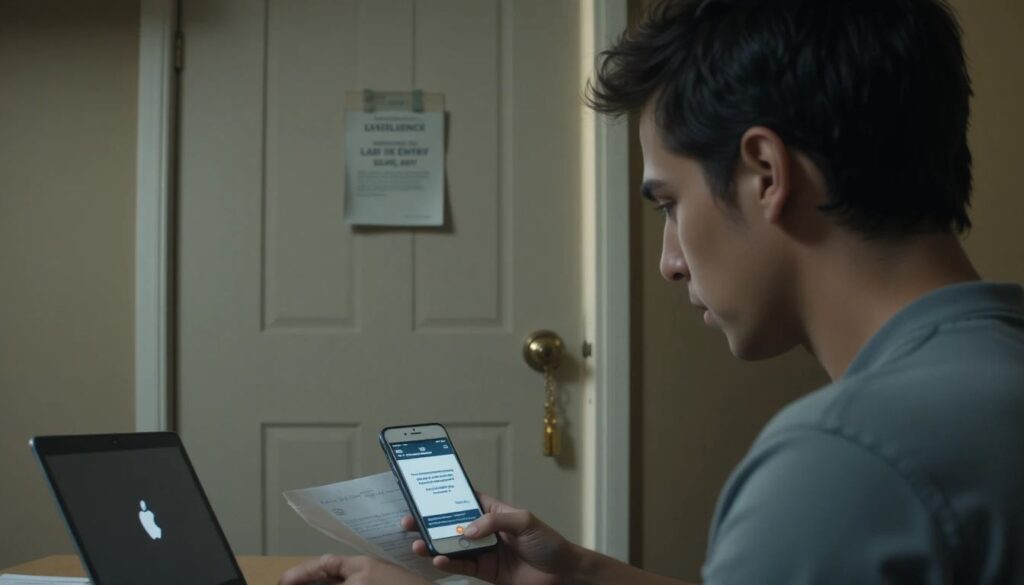
General Understanding:-
In most rental laws, tenants have the right to “quiet enjoyment” of their home. This means you should be able to live in your apartment peacefully without fear, threats, or emotional pressure from the landlord.
A landlord is expected to communicate in a professional and respectful way. Yelling becomes a legal issue when it includes:
- Threats to evict you without proper legal process.
- Intimidation or fear-based communication.
- Abusive or insulting language.
- Repeated aggressive behavior.
- Attempts to pressure you into leaving.
One time frustration or disagreement may not always be illegal, but ongoing or serious yelling can cross into harassment and you can learn more about your legal steps in our guide on Landlord Harassing Me: What Are My Options?
Exceptions (When It May Not Be Illegal):-
Not every raised voice is automatically harassment. Some situations include:
1. Isolated emotional reaction:-
A landlord may occasionally lose temper once, but it should not continue or become a pattern.
2. Emergency situations:-
In urgent cases, communication may sound loud or urgent, but it must still remain reasonable.
3. Misunderstanding or dispute:-
A disagreement about rent or repairs may lead to firm communication, but not abusive behavior.
However, even in disputes, landlords must stay within legal and respectful boundaries.
Real Scenarios:-
Example 1:
Your landlord repeatedly yells at you during rent discussions and threatens eviction without notice.
This may be considered harassment.
Example 2:
The landlord insults you or uses abusive language during every visit.
This is not acceptable and may be illegal.
Example 3:
A landlord raises their voice once during a disagreement but later apologizes and behaves normally.
This may not be a legal violation unless it continues.
Example 4:
The landlord yells to force you to leave the property early.
This is a serious violation of tenant rights.
What To Do Next:-
1. Stay calm and do not escalate:-
Avoid arguing back. Responding emotionally can make the situation worse.
2. Document every incident:-
Write down:
- Date and time;
- What was said;
- Any witnesses;
- Messages or calls.
This helps if legal action is needed later.
3. Communicate in writing:-
Send a clear message or email stating:
- You expect respectful communication.
- You do not accept verbal abuse or yelling.
- Future communication should be in writing.
4. Set boundaries clearly:-
If safe, inform the landlord calmly that you will only respond to respectful communication.
5. Report serious or repeated behavior:-
If the behavior continues, contact:
- Local housing authority.
- Tenant rights organization.
- Property management (if applicable).
6. Call the police if you feel threatened:-
If yelling includes threats, intimidation, or you feel unsafe, seek immediate help from authorities.
You can also learn more about your rights from the U.S. government guide on tenant rights and rental dispute resolution.
Common Mistakes Tenants Make:-
- Ignoring repeated yelling and hoping it stops.
- Not keeping written proof or records.
- Engaging in shouting matches.
- Not reporting serious behavior early.
- Assuming landlords can behave aggressively without limits.
These mistakes can make it harder to protect yourself later.
Final Thought:-
A landlord yelling at a tenant is not acceptable when it becomes intimidating, abusive, or repeated. Tenants have the right to live in peace and safety. If a landlord crosses the line, the best approach is to stay calm, document everything, set clear boundaries, and involve authorities if needed. You do not have to accept harassment in your own home.