If you’re dealing with repair problems in your rental, you might be wondering whether a landlord can refuse to fix things, ignore small repairs, or what you can do if your repair requests are being ignored. Many tenants also ask if they can sue a landlord for not fixing issues. In the U.S., landlords are generally required to fix important problems because they must keep the property safe and livable.
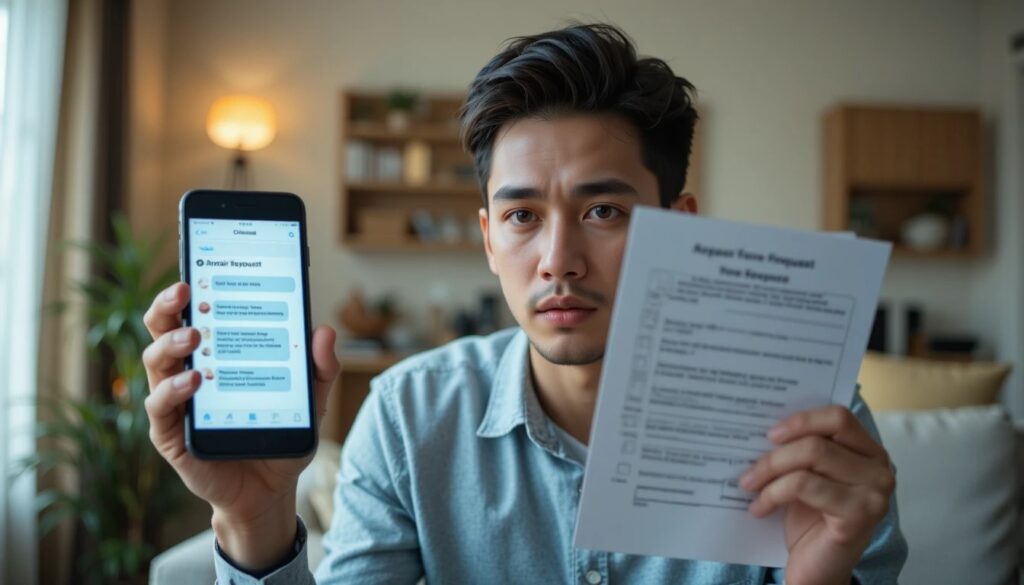
While very minor repairs may sometimes be delayed, they should not be ignored if they affect living conditions. If your landlord is not fixing issues, the best approach is to report the problem in writing, keep proper proof, and give them reasonable time to respond.
If they still fail to act, you may have legal options such as filing a complaint, using repair and deduct (where allowed), or even suing the landlord. In serious situations that affect safety or health, breaking your lease may also be possible. The key is to document everything before taking any action.
Understanding Landlord Repair Responsibilities:-
In the U.S., landlords have a legal duty to maintain rental properties. This is called the implied warranty of habitability. That means your home must be:
- Safe;
- Clean;
- Livable;
- Up to basic housing codes.
According to legal guidance: Landlord Tenant Law Overview. Most states require landlords to fix major problems like plumbing, heating, and electrical issues to keep the property habitable.
Can Landlord Refuse To Fix Things:-
In most cases, no. A landlord cannot refuse to fix:
- Broken heating or water.
- Electrical problems.
- Leaks or structural damage.
- Health or safety hazards.
These are considered essential repairs. If they refuse, they may be violating the law because landlords must keep the property in a livable condition. For more general tenant rights and housing repair guidance in the United States, you can also refer to this important federal-level resource.
Can Landlord Ignore Small Repairs:-
Sometimes, yes but it depends. Small repairs may include:
- Light bulb replacement.
- Minor wear and tear.
- Small cosmetic issues.
These are often the tenant’s responsibility. However, even small issues can become serious. For example:
- A small leak can turn into water damage.
- A minor electrical issue can become dangerous.
So landlords should not ignore repairs for too long.
Also, you cannot usually take legal action or stop paying rent just because of minor problems.
Landlord Ignoring Repair Requests: What Can I Do:-
If your landlord is ignoring you, follow these steps:
Report the Problem in Writing:-
- Send email or letter.
- Clearly describe the issue.
- Ask for repair within a reasonable time.
Written proof is very important.
Keep Evidence:-
- Take photos or videos.
- Save messages.
- Record dates of complaints.
This helps if you take legal action later.
Give Reasonable Time:-
Landlords must fix issues within a reasonable time after notice.
- Emergency issues: Faster response.
- Small issues: May take longer.
Send Final Notice:-
If nothing happens:
- Send a second written warning.
- Mention legal action if ignored.
Use Legal Options:-
If the landlord still ignores:
You may:
- File complaint with housing authority.
- Use repair and deduct (in some states).
- Sue landlord.
- Break lease (in serious cases).
Can You Sue Landlord For Not Fixing Issues:-
Yes, you can sue but only in certain cases.
You may sue if:
- The issue affects safety or health.
- The landlord ignored multiple requests.
- You suffered loss (damage, illness, etc.).
Courts may award:
- Repair costs.
- Rent reduction.
- Compensation.
Legal sources confirm that tenants may take action if landlords fail to maintain habitable conditions.
Repair And Deduct Option:-
In some states, tenants can:
- Fix the issue themselves.
- Deduct the cost from rent.
But be careful:
- You must follow state rules.
- You must give notice first.
- Wrong use can lead to eviction.
This option should be used carefully and legally.
What Repairs Are Landlord’s Responsibility:-
Landlords usually fix:
- Plumbing issues.
- Heating or AC.
- Electrical systems.
- Structural damage.
- Safety hazards.
Tenants usually handle:
- Minor maintenance.
- Damage they caused.
This division is standard in most leases.
Real Scenarios:-
Scenario 1: Landlord Refuses Major Repair:-
Tenant reports broken heater in winter. Landlord ignores it. Tenant files complaint and later takes legal action.
Scenario 2: Minor Issue Ignored:-
Tenant complains about small crack in wall. Landlord delays repair. No legal action possible unless it becomes serious.
Scenario 3: Repair and Deduct:-
Tenant reports plumbing issue. No response. Tenant fixes it and deducts cost legally after notice.
What To Do Next:-
- Always report issues early.
- Use written communication.
- Keep full records.
- Know your state laws.
- Escalate step by step.
Common Mistakes To Avoid:-
- Not reporting problems in writing.
- Waiting too long.
- Fixing things without permission.
- Deducting rent illegally.
- Ignoring lease terms.
Many tenants don’t realize that using the official maintenance portal correctly can speed up repairs, learn how to request fixes the right way in this article: How Do I Request Maintenance Repairs Through Popular Rental Management Portals?
Can Landlord Ignore Repairs And What Are Your Legal Options:-
If a landlord ignores repair requests, the law gives you several options but only if you follow proper steps. First, always notify the landlord clearly and in writing. Then wait a reasonable time. If nothing happens, you can escalate by filing complaints or using legal remedies like repair and deduct or small claims court.
The key point is this i.e. Landlords are legally required to maintain a habitable property, and tenants must follow proper procedure before taking action.
Final Thought:-
Repair issues in rental homes are very common, but ignoring them can lead to bigger problems. The law is on your side but only if you act correctly. Stay calm, follow the right steps, document everything, and escalate only when needed. That’s the safest and smartest way to protect your rights as a tenant.