If you paid a deposit and the landlord suddenly disappeared, you are likely dealing with a rental scam or fraudulent rental listing. This is unfortunately common in online rentals, social media listings, and situations where landlords avoid proper verification.
The good news is that there are clear steps you can take to protect yourself, try to recover your money, and report the issue properly.
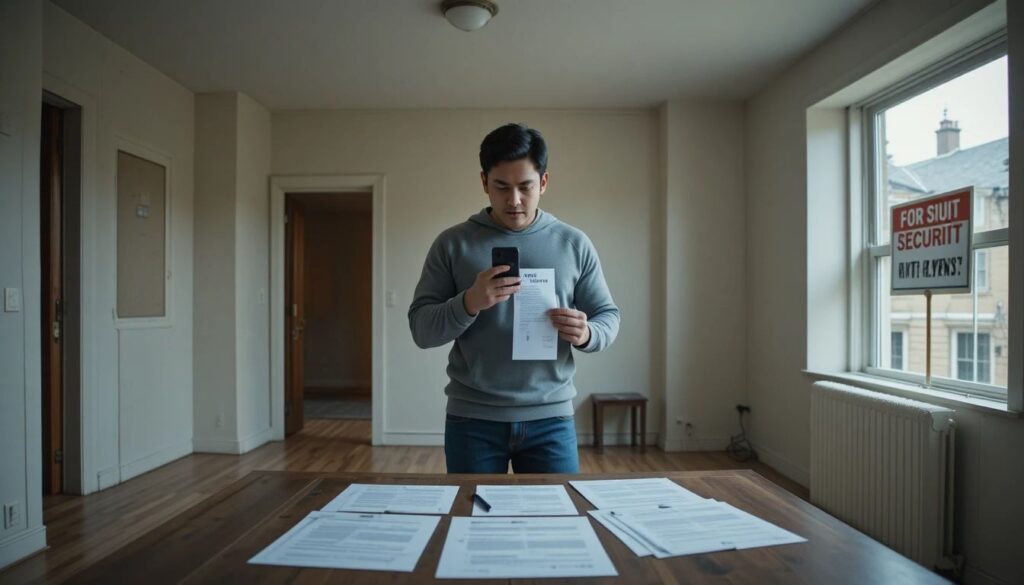
What This Situation Usually Means:-
A legitimate landlord does not disappear after taking a deposit. In normal rentals, a security deposit is held under legal conditions and is returned or adjusted when the tenancy ends. So if the landlord vanishes after receiving your money, it usually points to one of these situations:
- The listing was fake and the property was never available for rent.
- The person had no legal ownership or authority to rent the property.
- The landlord intentionally collected money without any intention of renting.
- The property exists, but the landlord is not connected to it at all.
In most countries, this type of behavior can fall under civil fraud and sometimes even criminal fraud, depending on intent and evidence. If the landlord asked for a deposit before you were allowed to view the property, this is a common rental scam pattern and you can read a detailed breakdown in our guide on Apartment Scam Asking For Deposit Before Viewing to understand how it works and how to protect yourself.
Collect And Secure All Evidence Immediately:-
Before taking any action, gather everything related to the transaction. This is the most important step.
You should save:
- Bank transfer records or payment receipts.
- Screenshots of WhatsApp, SMS, email, or chat apps.
- Rental listing (screenshots or saved links).
- Any agreement or written confirmation.
- Name, phone number, email, or account details used.
- Any ID or documents the landlord may have shared.
Organize everything in one folder. This becomes your proof if you go to court or file a complaint.
Send a Formal Written Demand:-
Even if the landlord has disappeared, you must still send a formal written demand. This creates a legal record that you attempted to resolve the issue.
Send it through:
- Email (if available).
- Certified mail (if you have an address).
Your message should include:
- Full name of landlord (if known).
- Amount paid and date of payment.
- Property address (if applicable).
- Request for full refund of deposit.
- A clear deadline (usually 5-7 days).
- Statement that legal action will follow if ignored.
Even scammers sometimes respond when legal pressure is applied, so this step is important.
Check If The Deposit Was Supposed To Be Protected:-
In many countries, landlords are legally required to protect security deposits in approved schemes or regulated accounts. If your country has such rules, check immediately whether:
- The deposit protection scheme exists in your region.
- Your deposit was ever registered.
- The landlord violated deposit protection laws.
If the landlord failed to protect your deposit, this can strengthen your legal case and may result in penalties against them.
Try To Verify The Landlord And Property:-
Sometimes scammers use fake identities or stolen property listings. Try to investigate:
- Property ownership records (if publicly available in your country).
- Whether the property is listed by real estate agents.
- Whether the address actually exists and is for rent.
- Whether the same listing appears under different names.
You may discover that the property is not even owned or managed by the person who took your money.
Report It as a Potential Fraud:-
If the landlord does not respond, you should escalate the matter.
Report to:
- Local police (fraud or cybercrime unit if available).
- Consumer protection authority.
- Housing or rental regulatory board.
- Online marketplace where you found the listing.
This is important because rental scams are often repeated against multiple victims. Your report may help prevent others from being targeted. If you suspect rental fraud or scam behavior, you can report it to the U.S. Federal Trade Commission for official consumer protection guidance.
File a Small Claims Case:-
If you have clear evidence of payment and communication, you can file a small claims court case.
Small claims court is useful because:
- It does not usually require a lawyer.
- It is designed for financial disputes like deposits.
- It can order repayment of your money.
- It creates a legal judgment against the scammer.
Even if the landlord does not appear in court, you may still win the case based on evidence.
If You Never Moved In or Signed a Formal Contract:-
Even without a signed lease, you may still have legal protection. Courts often consider:
- Messages confirming agreement.
- Payment made in exchange for rental promise.
- Intent to rent based on communication.
This can still be treated as a valid agreement or misrepresentation, especially if money was taken without providing the property. If the issue started from an online listing or suspicious rental ad, it is helpful to compare it with other common scam patterns explained in our guide on Rental Scam On Craigslist: How To Identify? to better recognize warning signs early.
Common Signs Of This Type Of Scam:-
These scams often follow patterns:
- Refusal to show the property in person.
- Excuses like “I’m abroad” or “keys are with someone else”.
- Pressure to pay quickly due to high demand.
- Very low rent compared to market price.
- Poor or missing documentation.
- Communication only through messaging apps.
- Request for deposit before viewing .
Recognizing these signs early can prevent financial loss.
What Not To Do:-
- Do not send more money hoping to secure the property.
- Do not rely only on verbal promises.
- Do not ignore the situation for too long.
- Do not assume the landlord will return voluntarily without pressure.
You can also learn how to identify and report rental scams through official consumer protection guidance from the U.S. Federal Trade Commission.
Final Thought:-
If your landlord disappears after taking your deposit, treat it as a serious financial scam. The key is to act quickly and methodically. Collect all evidence, send a formal demand, report the incident, and use legal channels like small claims court if needed.
While recovery is not always guaranteed, many tenants do get their money back when they act fast and follow proper legal steps. More importantly, reporting these cases helps prevent the same scammer from targeting others in the future.