If your upstairs neighbor is dropping things on purpose, the most important step is to document every incident and report it in writing to your landlord or building management. Intentional or repeated loud impact noise can be treated as a nuisance or lease violation, especially if it disrupts your sleep or daily life. If the problem continues, you may need to escalate it through official complaints or local authorities.
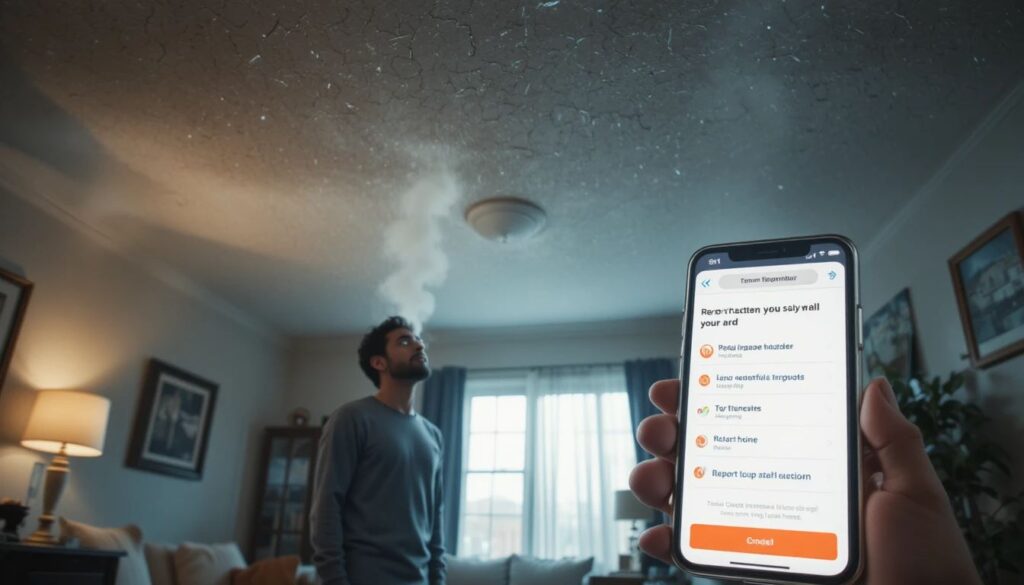
Understand The Situation First:-
Heavy impact noises like dropping objects, dragging furniture, or repeated thuds can be very disruptive in apartment buildings. While it may feel intentional, sometimes neighbors are unaware of how much noise travels through floors.
However, if the pattern is frequent, repeated, and happens during quiet hours, it may be treated as a serious disturbance or nuisance behavior under most rental agreements. If you are dealing with similar noise issues, you may also read: Upstairs Neighbor Stomping Noise: What Can I Do?
Document Every Incident:-
This is the most important step if the issue continues.
Keep a record of:
- Date and exact time of each incident.
- Description of the noise.
- Duration and frequency.
- How it affects your daily life.
If possible:
- Record audio or video from inside your apartment.
- Show repeated patterns over several days.
Proper documentation is essential for landlord action or formal complaints.
Report It To Landlord or Property Management:-
Always submit complaints in writing and not just verbally.
Include:
- Your noise log.
- Clear description of repeated disturbance.
- Request for immediate action.
Most leases include a quiet enjoyment clause, meaning tenants are entitled to a peaceful living environment without ongoing disturbance.
If you want to understand similar landlord related issues, you may also read: Can You Break Lease Due To Noise?
Try a Polite Approach (If Safe):-
If it feels safe, you can try a calm conversation or leave a polite note. Sometimes tenants do not realize how loud their actions are in apartment buildings. However, if the neighbor reacts negatively or ignores you, avoid further direct contact and focus on formal reporting.
Check Lease And Local Rules:-
Review your rental agreement for:
- Quiet hours policy.
- Noise disturbance rules.
- Tenant behavior expectations.
If the issue is repeated, it may violate lease terms and require landlord intervention.
In many areas, repeated disturbance can also fall under local noise regulations.
Contact Authorities If It Continues:-
If landlord action does not solve the issue, you may escalate:
- File a non-emergency noise complaint.
- Contact local housing or code enforcement.
- Check city noise ordinance rules.
For official tenant rights and housing complaint guidance in the U.S., you may also refer to the U.S. government resource.
Mediation or Legal Options:-
If the situation continues for long term:
- Mediation can help resolve disputes.
- Housing authorities may investigate.
- Legal action may be considered in severe nuisance cases.
However, these steps usually require strong documentation and repeated complaints.
What You Should Avoid:-
Avoid actions that can make the situation even worse:
- Retaliating with noise.
- Aggressive confrontation.
- Ignoring the issue without records.
- Filing complaints without evidence.
Retaliation can weaken your case and escalate conflict.
Practical Ways To Cope While Waiting
While the issue is being handled:
- Use white noise or fans.
- Move sleeping area away from the disturbance.
- Add rugs or padding to reduce vibration.
- Keep windows closed during peak noise times.
These help reduce stress but do not replace formal action.
Final Thought:-
If an upstairs neighbor is repeatedly dropping things, especially if it seems intentional, the key is to stay consistent with documentation and use official reporting channels. Most rental systems protect your right to peaceful living, and landlords are required to act when proper complaints are made.