If you’re wondering what to do if a neighbor is too loud in an apartment, the best approach is to start simple and escalate only if needed. In many cases, especially when dealing with situations like a neighbor playing loud music at night in an apartment, you should first speak politely, then document the noise, and report it to your landlord.
If the disturbance continues, you can file a formal complaint or even contact local authorities for noise violations. Many tenants also ask, can a landlord do anything about noisy neighbors? The answer is yes, landlords can enforce lease rules and take action.
In extreme situations, if the noise seriously affects your living conditions, you may even have the right to break your lease. The most important step in all cases is to document everything before taking legal action.
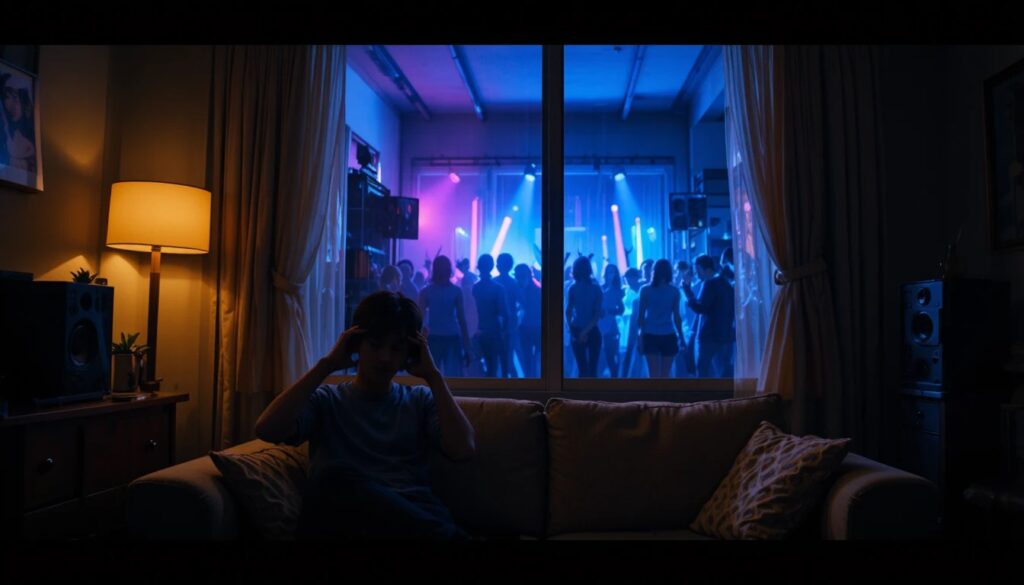
Understanding Noisy Neighbor Problems In Apartments:-
Noisy neighbors are one of the most common problems renters face in the USA. This includes:
- Loud music at night.
- Constant shouting or parties.
- TV or bass sounds through walls.
- Pets making noise for long hours.
Most cities have quiet hours, usually between 10 PM and 7 AM. During this time, loud noise is often considered a violation.
You can check official guidance from the U.S. government housing authority. The U.S. Department of Housing and Urban Development explains that tenants have a right to peaceful living, often called quiet enjoyment.
Exceptions:-
Not every sound counts as a legal noise problem.
Normal living sounds:-
Walking, children playing, occasional dropped items, regular conversations, and normal daytime movement are usually not considered violations. Apartment living includes some expected noise.
One time events:-
A single birthday party or one short loud event may not be enough for formal action unless it is extreme.
Building structure issues:-
Sometimes thin walls, poor insulation, or old floors make normal sounds seem much louder. The issue may be building design, not intentional bad behavior.
Emergency situations:-
Temporary noise caused by repairs, medical emergencies, or urgent maintenance may be treated differently.
The main question is whether the noise is unreasonable, repeated, and seriously affects daily life like sleeping, working, or studying.
What To Do If Neighbor Is Too Loud:-
Talk to Your Neighbor First:-
Start simple. Many people don’t realize they are being loud.
- Knock politely.
- Explain the issue calmly.
- Avoid arguments.
This solves many problems quickly.
Record Evidence of Noise:-
If the issue continues:
- Record audio/video.
- Write down dates and times.
- Note how it affects your sleep or work.
This proof is very important later.
Report to Your Landlord or Property Manager:-
Most leases include rules about noise.
Your landlord can:
- Give warnings.
- Issue lease violations.
- Evict repeat offenders.
So yes, landlords can take action against noisy neighbors if rules are broken.
File a Formal Complaint:-
If nothing changes:
- Send a written complaint (email or letter).
- Attach your evidence.
- Keep copies for yourself.
This shows you tried to resolve the issue properly.
Call Local Authorities (If Severe):-
For loud music at night or parties:
- Call non-emergency police.
- Report noise violations.
Many cities issue fines for repeated complaints.
What If Neighbor Plays Loud Music At Night:-
This is one of the most common complaints.
You should:
- Check local quiet hour laws.
- Document repeated violations.
- Report immediately if it happens late at night.
If it happens often, it becomes a legal issue, not just a personal problem.
Can You Break Lease Due To Noise?
Yes but only in serious situations.
You may be able to break your lease if:
- Noise is constant and severe.
- Landlord fails to fix the problem.
- It affects your health or safety.
This falls under breach of quiet enjoyment.
But before breaking a lease:
- Give written notice.
- Allow landlord time to fix it.
- Keep strong evidence.
Without proof, you may still be charged rent.
Can Landlord Do Anything About Noisy Neighbors:-
Yes, landlords have responsibility.
They can:
- Warn the noisy tenant.
- Enforce lease rules.
- Fine or evict repeat offenders.
If they ignore complaints, they may be failing their duty.
How To Complain About Noisy Neighbors Apartment:-
If you specifically want to file a complaint, follow this structured approach:
- Write a formal complaint letter:-
- Include dates, times, and examples.
- Stay factual, not emotional.
- Send it to landlord/property manager:-
- Email is best for record keeping.
- Attach proof:-
- Audio recordings.
- Photos/videos.
- Follow up:-
- If no response in 5-7 days.
- Escalate if needed:-
- Local housing authority.
- Small claims court (in extreme cases).
A proper complaint increases your chances of action. If you live in HUD assisted apartment housing, you can report serious unresolved management issues to the official HUD Multifamily Housing Complaint Line at 1-800-685-8470 (1-800-MULTI-70). HUD explains this on its government page here: HUD Multifamily Housing Complaint Line. HUD also says tenants should first inform the landlord or manager before contacting HUD.
If there is immediate danger, threats, or violence, contact emergency services. For regular noise complaints, use local non-emergency services first.
Real Scenarios:-
Scenario 1: Loud Music Every Night:-
A tenant complains multiple times. Landlord ignores it. Tenant records proof and sends formal notice. After no action, tenant legally breaks lease.
Scenario 2: Occasional Party Noise:-
Neighbor throws a party once a month. Tenant talks politely, issue resolved without escalation.
Scenario 3: Constant Noise And No Response:-
Tenant files complaint, calls police multiple times, and later uses records to move out without penalty.
What To Do Next:-
- Start with polite communication.
- Keep records from day one.
- Report early before it becomes worse.
- Use written complaints, not just verbal.
- Check local laws in your city.
Common Mistakes To Avoid:-
- Ignoring the issue too long.
- Not keeping proof.
- Arguing aggressively with neighbors.
- Breaking lease without documentation.
- Not informing landlord in writing.
If your situation keeps getting worse, you may also want to read: Can I Call Police For Noisy Neighbors Apartment?
Final Thought:-
Noisy neighbors can seriously affect your daily life, sleep, and mental peace. The good news is that you are not powerless. U.S. tenant laws support your right to a quiet enjoyment and peaceful living. But the key is to act smart ie. document everything, communicate properly, and escalate step by step.
Handled correctly, most noise problems can be solved without legal trouble but if needed, you have the right to take stronger action.