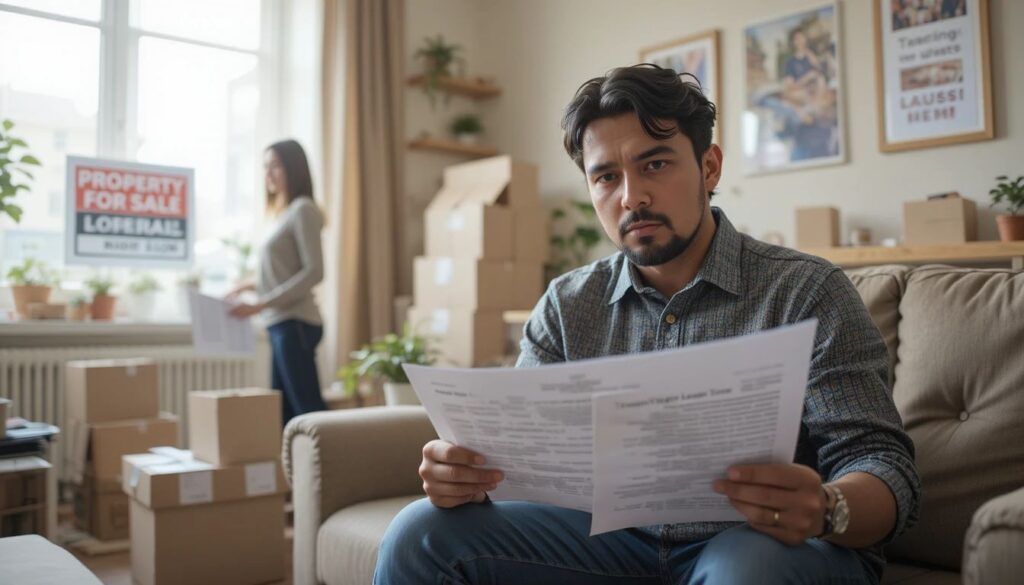
If you are asking tenant rights when landlord sells property, the clear answer is this ie. your lease usually stays valid even after the property is sold. The new owner must follow your existing lease terms, and you cannot be forced to move out just because of the sale. However, your rights depend on your lease type, local laws, and whether proper legal notice is given.
General Explanation (How It Works In Most Places):-
When a landlord sells a rental property, the law generally protects tenants. The most important rule is that a lease is a legal contract, and it does not end when ownership changes.
This means:
- The new owner becomes your landlord.
- Your lease terms stay the same.
- Your rent amount usually cannot change during the lease.
- You can stay until your lease ends.
The buyer takes the property with tenants, meaning they must respect existing agreements.
Also, the new owner must take over responsibilities such as:
- Maintaining the property.
- Returning your security deposit at the end.
- Following all legal rules about eviction.
If you are on a fixed term lease (for example 1 year), you can usually stay until the lease ends. If you are on a month-to-month lease, the new owner may end it, but only with proper legal notice. For more details on property visits and tenant rights, you can also read our guide on Landlord Showing Apartment While I Still Live There: Rights.
Exceptions:-
There are some situations where your rights may be different:
- Lease includes a sale clause:-Some leases allow termination if the property is sold. In that case, the landlord or new owner may legally ask you to leave.
- Month to month tenancy:-If you do not have a fixed lease, the new owner can usually end your tenancy with proper notice (often 30–60 days depending on local law).
- Owner wants to move in:-In some places, the new owner can evict tenants if they plan to live in the property, but they must follow strict legal procedures and give notice.
- Lease violations:-If you break your lease (like not paying rent), eviction can still happen, regardless of the sale.
- Lease ending soon:- The new owner may simply choose not to renew your lease after it expires.
Real Scenarios:-
Example 1:
You signed a 12-month lease. After 5 months, the landlord sells the house.
You can stay for the remaining 7 months under the same terms.
Example 2:
You are renting month to month.
The new owner gives a 30-day notice to move out. This may be legal.
Example 3:
The landlord is showing the property to buyers.
They must usually give notice before entering your home and respect your privacy rights.
Example 4:
The property is sold, but you are not informed.
The new owner must notify you where to pay rent and confirm lease continuation.
What To Do Next:-
- Read your lease carefully:- Check if there is any clause about sale or early termination
- Wait for official notice:- You should receive written details about the new owner and rent payment
- Keep paying rent properly:- Only pay the new owner after receiving official instructions
- Confirm your security deposit:- Your deposit should transfer to the new owner safely
- Keep records:- Save emails, rent receipts, and any notices
- Know your legal rights:- You cannot be forced out without proper notice or legal process
You can learn more about tenant protections from the U.S. Department of Housing and Urban Development, which provides official guidance on renter rights and housing laws.
Also read related guides:
- Can landlord enter when i am not home.
- How to deal with difficult landlord.
Common Mistakes Tenants Make:-
- Thinking they must move out immediately after sale.
- Not reading their lease carefully.
- Paying rent to the wrong person without confirmation.
- Ignoring legal notices.
- Not tracking their security deposit.
These mistakes can lead to losing money or legal trouble.
Final Thought:-
A landlord selling a property can feel stressful, but in most cases, your rights are protected. Your lease usually continues, your rent stays the same, and you cannot be forced out without legal reasons. The key is to understand your lease, stay informed, and act carefully. When you know your rights, you can handle the situation with confidence and avoid unnecessary problems.