If you have a difficult landlord in the USA, the best approach is to stay calm, communicate in writing, document everything, follow your lease terms, and use legal channels or housing authorities if the situation becomes harassment or violates your rights.
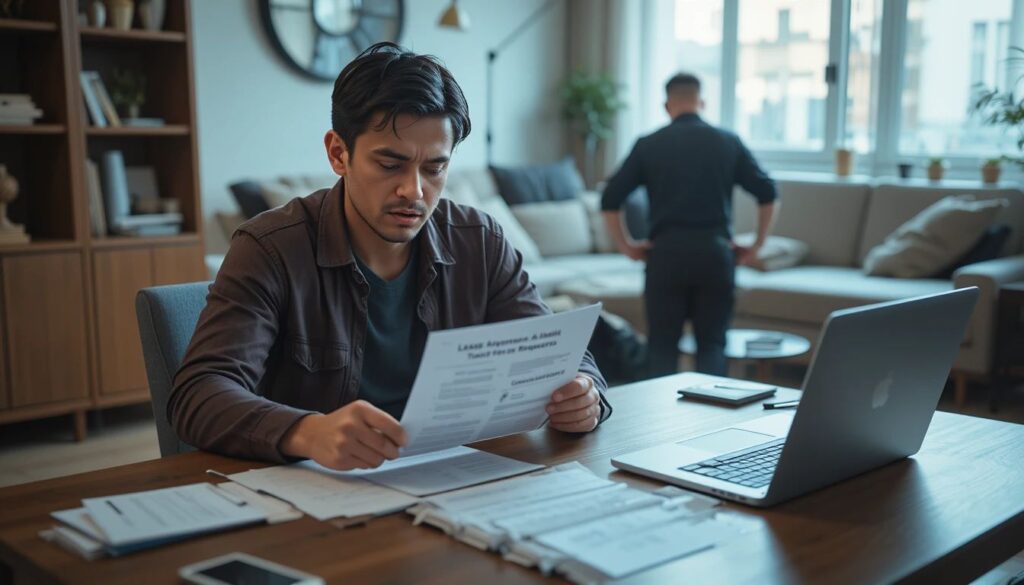
State-Specific Explanation:-
In the United States, landlords and tenants both have legal rights and responsibilities. Even if a landlord behaves in a rude, unresponsive, or unfair way, they still must follow state landlord-tenant laws and the lease agreement.
A landlord is required to:
- Maintain a safe and livable property.
- Follow proper notice rules before entering your home.
- Respect lease terms and legal processes.
- Handle eviction only through the court system.
Tenants also have protections under the law, including the right to live in a rental without harassment or unnecessary interference (often called the right to quiet enjoyment).
While a landlord may be difficult, emotional behavior alone is not always illegal unless it becomes harassment, retaliation, or violates housing laws.
For official tenant rights and fair housing protection guidance related to landlord harassment, disputes, and rental issues, you can refer to the U.S. Department of Housing and Urban Development (HUD) Fair Housing and Equal Opportunity resource page.
Exceptions:-
Not all strict or firm landlord behavior is illegal or difficult in a legal sense. Some actions may feel uncomfortable but are still lawful:
- Sending rent reminders or late notices.
- Issuing formal lease violation warnings.
- Requesting repairs to be done properly.
- Scheduling property inspections with proper notice.
- Starting eviction proceedings through court if rent is unpaid.
However, it becomes illegal when a landlord:
- Harasses or repeatedly intimidates a tenant.
- Enters the property without required notice (except emergencies).
- Cuts essential utilities like water, electricity, or heat.
- Threatens illegal eviction without court process.
- Retaliates after complaints or repair requests.
Federal fair housing laws also protect tenants from discrimination based on race, religion, gender, disability, or family status.
Real Scenarios:-
Here are common real life situations and how tenants usually handle them:
Scenario 1: Poor communication from landlord:-
The landlord ignores messages or responds late.
Solution: Switch to written communication and keep a record of all attempts to contact.
Scenario 2: Landlord becomes rude or unprofessional:-
They use disrespectful tone or unhelpful responses.
Solution: Stay calm and avoid emotional arguments. Keep communication factual.
Scenario 3: Landlord delays repairs:-
Essential issues like water leaks or heating problems are ignored.
Solution: Submit written repair requests and escalate if needed to housing authorities.
Scenario 4: Landlord makes unfair demands:-
Requests outside lease terms or pressures tenants.
Solution: Review your lease carefully and respond only based on written agreement.
What To Do Next:-
If you are dealing with a difficult landlord, follow these practical steps:
- Stay calm and professional:-
- Do not argue or respond emotionally.
- Document everything:-
- Save emails, texts, notices, and payment records.
- Use written communication only:-
- Email or text helps create proof.
- Follow your lease strictly:-
- Pay rent on time and follow rules.
- Know your rights:-
- Understand eviction rules and repair responsibilities.
If problems continue:
- Contact your local housing authority.
- Speak to tenant rights organizations or legal aid services.
- Request mediation if available in your area.
Common Mistakes:-
Tenants often make mistakes that make situations worse:
- Responding emotionally or aggressively.
- Not keeping written proof of communication.
- Ignoring lease terms while focusing only on landlord behavior.
- Stopping rent payments due to frustration.
- Waiting too long to report serious issues.
- Assuming all rude behavior is illegal harassment.
Avoiding these mistakes helps protect your position in any dispute. You can also read this related guide on What to do if landlord is rude and unprofessional?
Final Thought:-
Dealing with a difficult landlord is frustrating, but the most effective approach is always calm, organized, and documented communication. Most landlord disputes are resolved not through confrontation, but through clear records and understanding of legal rights.
A landlord must still follow the law, and tenants are protected from harassment, illegal eviction, and unsafe living conditions. Staying informed and consistent is the key to handling even the most difficult rental situations effectively.