In the United States, landlords are legally allowed to manage their property, but they are also required to follow tenant protection laws. Even if a landlord is rude or unprofessional, this behavior alone is not always illegal unless it crosses the limit and trun into harassment, threats, discrimination, or violation of your lease rights.
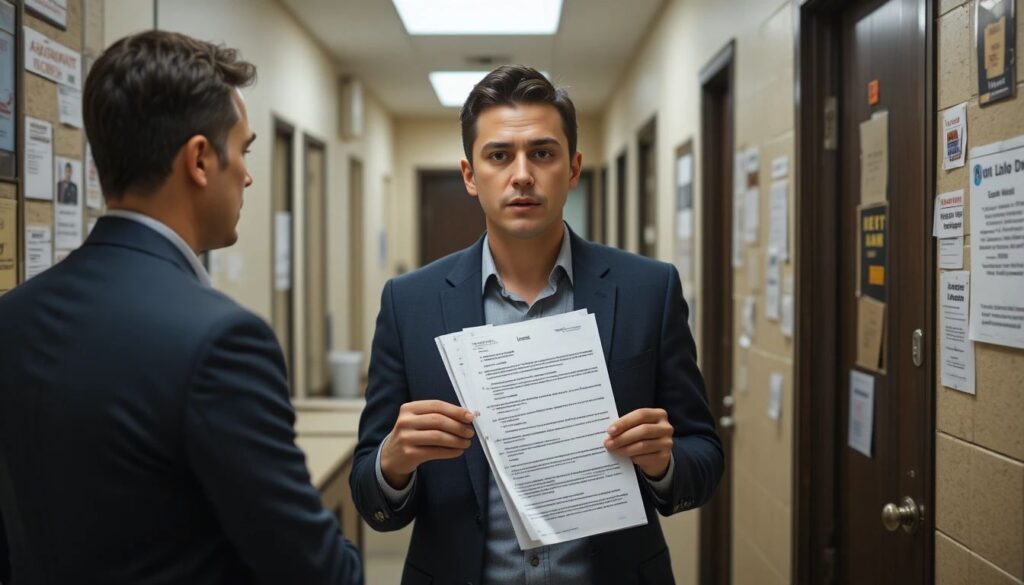
Most states recognize a basic tenant right called “quiet enjoyment“, which means:
- You have the right to live in your rental without harassment or unnecessary interference.
- Landlords must follow proper notice rules before entering your home.
- Communication should remain professional when related to tenancy.
However, what counts as rude behavior (such as shouting, being disrespectful, or ignoring messages) is usually not directly regulated unless it becomes harassment or violates your lease terms.
For general tenant rights guidance, you can refer to U.S. housing resources.
Exceptions:-
There are situations where landlord behavior becomes legally serious:
- Harassment: Repeated intimidation, threats, or verbal abuse.
- Illegal entry: Entering your apartment without proper notice (except emergencies).
- Discrimination: Rude behavior based on race, religion, gender, disability, or family status (illegal under Fair Housing Act).
- Retaliation: Treating you badly after you report repairs or complain legally.
- Safety threats: Any threat of harm should be treated seriously and may involve law enforcement.
In these cases, it is no longer just unprofessional behavior but potentially a legal violation.
Real Scenarios:-
Here are common situations tenants face and how they usually handle them:
Scenario 1: Landlord is rude but still follows rules:-
They may be short, unhelpful, or disrespectful but still repair issues and collect rent properly. In this case, legal action is usually not possible, but you can manage communication carefully.
Scenario 2: Landlord is aggressive in communication:-
They send angry texts or emails. The best response is to stay calm and switch to written communication only.
Scenario 3: Landlord threatens eviction unfairly:-
You should document everything and check your lease before reacting. Most eviction threats require legal process.
Scenario 4: Harassment or repeated intimidation:-
If behavior becomes threatening or ongoing, tenants may contact housing authorities or legal aid services.
What To Do Next:-
If your landlord is rude or unprofessional, follow these steps:
- Stay calm and avoid emotional replies.
- Document everything :
- Save texts, emails, voicemails.
- Write down dates and incidents.
- Use written communication only:-
- Email is better than phone calls.
- This creates proof if needed later.
- Review your lease agreement:-
- Check rules about communication, repairs, and entry notices.
- Do not stop paying rent
- This can legally harm your position
- Set boundaries politely:-
- Example: Please communicate in writing regarding all tenancy matters.
If the issue continues:
- Contact local housing authority or tenant rights office.
- Seek legal advice if harassment continues.
- File a complaint if laws are being violated
You can also learn more about tenant protections and complaints here.
Common Mistakes:-
Many tenants worsen the situation without realizing it:
- Responding emotionally or arguing back.
- Ignoring documentation of incidents.
- Stopping rent payments due to frustration.
- Not keeping written proof of communication.
- Waiting too long before seeking help.
- Assuming rude behavior automatically equals a legal violation.
Avoiding these mistakes helps protect your legal position and credibility.
You can also read this related guide on FAQReply.com: Landlord charging late fee after one day: Is it legal?
Final Thought:-
Having a rude or unprofessional landlord is stressful, but in most cases, it is manageable without legal approach. The key is to stay calm, protect yourself with documentation, and communicate in a professional way.
Only when behavior crosses into harassment, discrimination, or legal violations should you escalate the matter to housing authorities or legal support.
In rental situations, your strongest protection is not emotion but rather it is clear records, written communication, and knowledge of your tenant rights.