Here are real documented examples of fake lease agreement scams from multiple reported cases and investigations. These show how the scam actually works in real life, not just theory.
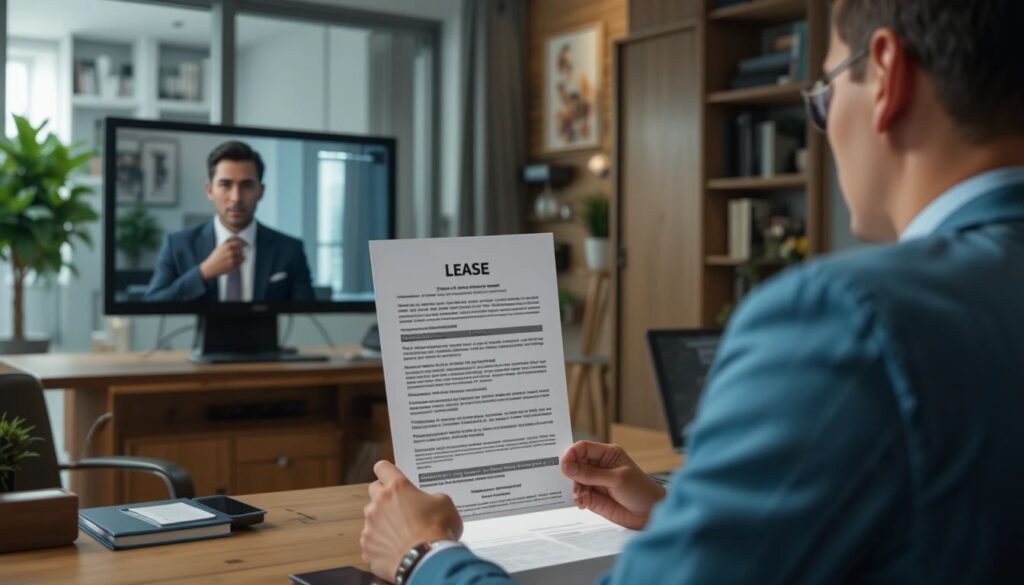
Real Examples of Fake Lease Agreement Scams:-
Example 1: Facebook Marketplace fake lease plus deposit loss:-
In one documented case in the U.S., a renter found a cheap apartment listing on Facebook Marketplace and was quickly sent a professional looking lease agreement through email. The landlord claimed to be out of town and asked for a security deposit via Zelle before any viewing.
After the tenant paid, the scammer disappeared. The property turned out to be owned by a real estate company and was never available for rent.
This is one of the most common fake lease patterns ie. signed lease plusupfront payment plusno real property access.
Example 2: Real apartment, fake lease, and eviction surprise:-
In New York City, scammers posed as landlords and used fake lease agreements to rent out apartments they did not own. Victims even signed digital leases through platforms like DocuSign and paid large deposits.
One victim paid thousands of dollars and only later discovered the unit was already occupied and the lease was completely fraudulent.
This shows a dangerous variation where scammers:
- Show the real apartment.
- Create fake legal documents.
- Collect money from multiple victims.
Example 3: Out of town landlord email lease scam:-
A widely reported pattern involves scammers pretending to be overseas landlords. They send:
- A signed lease agreement PDF.
- Apartment photos.
- Payment instructions.
They claim keys will be mailed after payment.
Victims often discover later that:
- The landlord identity was fake.
- The property was never for rent.
- The lease document had no legal value.
This method is frequently used in rental fraud cases and is reported across multiple scam investigations and forums. To understand how scammers use fake documents and pressure tactics in rental fraud, read our article on Scammer Pretending To Be Landlord Email to see how emai based rental scams work.
Example 4: Sublease fake lease scam (real tenant impersonation):-
In Canada, tenants were tricked by scammers posing as current renters offering subleases. They signed lease agreements and paid deposits, only to find out:
- The tenant never had permission to sublet.
- The real landlord had no idea.
- The lease was invalid.
Victims moved in expecting legal rental agreements but were later removed or forced out.
Example 5: Advance payment plus fake lease plus stolen listing (family case):-
An Oklahoma family responded to a Facebook rental ad and received a full lease agreement by email. It looked legitimate, and even included receipts.
They paid deposit and rent in advance. Later they discovered:
- The listing was fake.
- The scammers had no rights to the property.
- Multiple victims were targeted with the same lease.
The family lost money and had no place to live.
Common Patterns Seen in Real Cases:-
Across all real examples, fake lease scams usually include:
1. Fake or stolen listings:-
Scammers reuse real property photos from other websites.
2. Signed or professional looking lease:-
They send PDFs or digital contracts to appear legal.
3. No real verification:-
No proper ID checks, no ownership proof, no meeting.
4. Upfront payment demand:-
Money is requested before:
- Viewing the property
- Signing verified contracts
- Meeting the landlord
5. Disappearing after payment:-
Once money is sent, communication stops completely.
Major Warning Signs:-
Be careful if you see:
- Lease sent before property viewing.
- Landlord refuses in-person meeting.
- Rent is unusually low.
- Payment requested via wire transfer or apps.
- Pressure to sign immediately.
- Mismatch between lease name and property records.
How To Stay Safe:-
- Always visit the property first.
- Verify ownership through public records.
- Never rely only on email leases.
- Avoid sending money before confirmation.
- Cross-check listings on multiple sites.
- Be suspicious of urgency or pressure.
What To Do If You Encounter a Fake Lease Scam:-
If you suspect fraud:
- Stop all communication immediately.
- Do not send any money.
- Save emails, lease copies, and messages.
- Report the listing on the platform.
- Contact your bank if payment was made.
- Report the scam to the Federal Trade Commission.
Final Thoughts:-
Fake lease agreement scams are dangerous because they look legally real on paper. Scammers use signed documents, real photos, and convincing stories to gain trust but everything is designed to steal money before the tenant can verify anything.
The key rule is simple i.e. A real lease always comes after verification, not before it.
If a landlord pushes a lease and asks for money without proper viewing or identity confirmation, it is almost always a scam.