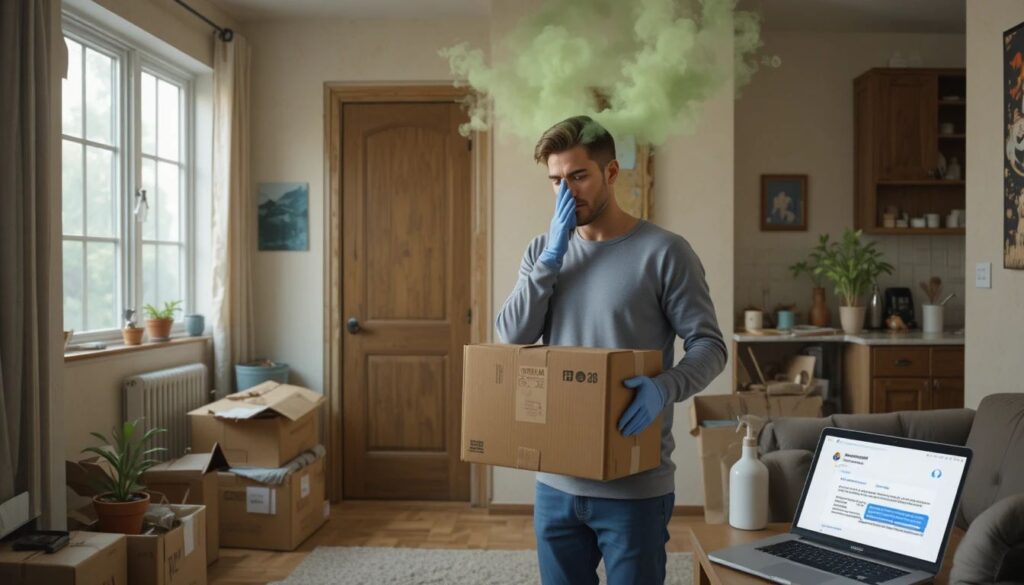
If your apartment smells bad after moving in, you should ventilate the space, clean all surfaces, and identify the source of the odor immediately. If the smell continues or seems related to mold, smoke, or plumbing issues, you should inform your landlord in writing and request proper cleaning or repairs. Persistent odors may be linked to habitability issues that landlords are required to address.
What To Do Immediately After Noticing a Bad Smell:-
Air out the apartment:-
Start by opening all windows and doors to allow fresh air to circulate. This helps remove trapped odors such as:
- Smoke;
- Paint fumes;
- Stale air.
Cross-ventilation (opening opposite windows) is more effective than opening just one.
Clean surfaces thoroughly:-
Bad smells often come from surfaces that absorbed odors from previous tenants.
Focus on:
- Walls;
- Floors;
- Cabinets;
- Kitchen and bathroom areas.
Use simple cleaning solutions like:
- Water and mild soap.
- Vinegar mixed with water.
Walls and cabinets can hold odors for a long time, so wiping them properly is important.
Use baking soda for odor absorption:-
Baking soda can help reduce smells in:
- Carpets;
- Rugs;
- Upholstered furniture.
Sprinkle it, leave it for some time, then vacuum. It absorbs odors rather than masking them.
Check vents and air filters:-
Air filters and vents can trap smells from previous occupants.
You should:
- Replace HVAC filters if accessible.
- Clean visible vents.
This is especially important if the smell is coming from airflow systems.
Clean drains and garbage areas:-
Sometimes odors come from plumbing or waste areas.
Try:
- Pouring baking soda and vinegar into drains.
- Flushing with hot water.
- Cleaning trash bins and surrounding areas.
This helps remove smells caused by food waste or buildup.
Identifying The Type Of Smell:-
Different smells can indicate different problems:
Musty or moldy smell:-
- May indicate moisture or mold.
- Often found in bathrooms, basements, or near windows.
Smoke smell:-
- Usually from previous tenants.
- Can stay in walls, carpets, and ceilings.
Garbage or food smell:-
- Often comes from kitchen areas or drains.
Chemical or paint smell:-
- May come from recent renovations or cleaning products.
Identifying the source helps decide whether cleaning is enough or further action is needed.
When To Contact The Landlord:-
You should contact your landlord in writing if:
- The smell does not go away after basic cleaning.
- It appears to come from mold, leaks, or structural issues.
- It makes the apartment uncomfortable or unsafe to live in.
In many cases, landlords are responsible for ensuring the apartment is in a livable condition, which includes dealing with serious odor problems.
For example:
- Mold-related smells may require professional treatment.
- Smoke odors may need repainting or deep cleaning.
- Plumbing smells may require repairs.
Your Rights As a Tenant:-
A strong and persistent odor may be more than just an inconvenience. If it affects your ability to live normally, it may fall under habitability standards, meaning the landlord must fix the issue.
You can learn more about landlord responsibilities for maintaining safe living conditions through official housing guidance from the U.S. Department of Housing and Urban Development (HUD).
Simple Ways To Improve Air Quality:-
While waiting for a solution, you can try:
- Keeping windows open regularly.
- Using natural odor absorbers like:
- Baking soda;
- Vinegar;
- Activated charcoal.
- Cleaning curtains, rugs, and fabric surfaces.
- Reducing indoor moisture.
These methods help reduce odors but may not fix the root cause. If the odor is caused by deeper issues like mold, pests, or poor maintenance, you may also find this helpful: Bugs In Apartment: What Should I Do Tenant?
Real Scenarios:-
A tenant moves into a new apartment and notices a strong cigarette smell. After basic cleaning, the odor remains. The tenant reports it in writing, and the landlord arranges repainting and carpet cleaning. The smell reduces significantly after proper treatment.
In another case, a tenant ignores a musty smell, which later turns out to be mold behind a wall. This shows why early reporting is important.
Common Mistakes To Avoid:-
- Ignoring the smell and hoping it goes away.
- Only using air fresheners instead of cleaning.
- Not reporting the issue in writing.
- Delaying communication with the landlord.
- Not checking possible sources like drains or vents.
Final Thought:-
A bad smell in a new apartment can come from many sources, including previous tenants, moisture, or hidden issues. The most effective approach is to act quickly, ventilate, clean, identify the source, and report it if necessary. If the odor continues, it is important to involve the landlord, as it may relate to the overall condition of the apartment.