If you are dealing with bugs in your apartment, you should report the issue to your landlord in writing immediately, take photos as evidence, and avoid using strong DIY chemicals that may make the problem worse.
In most cases, landlords are responsible for handling infestations, especially if the issue affects health and safety. You should also follow any instructions given for pest control and keep records of all communication.
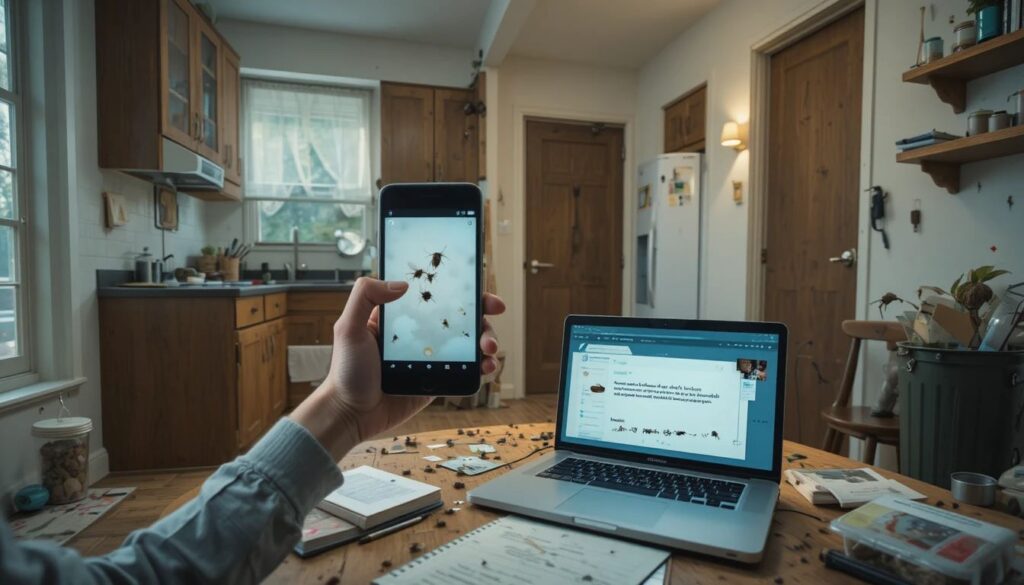
What To Do Immediately When You See Bugs:-
Finding bugs in your apartment can be stressful, but taking the right steps early can prevent the problem from getting worse.
Inform your landlord in writing:-
Always notify your landlord or property manager through email or text. This creates a record that you reported the issue. Verbal complaints are not enough in most situations.
Take clear photos and videos:-
Document the problem by taking pictures of:
- The bugs themselves.
- Affected areas (kitchen, bed, walls, etc.).
- Any bites or damage.
This evidence may be important if there is a dispute later.
Avoid heavy DIY chemical treatments:-
Using strong sprays without proper knowledge can:
- Spread pests to other areas.
- Make infestations harder to control.
- Interfere with professional treatment.
Basic cleaning is fine, but serious infestations usually require professional pest control.
Follow preparation instructions:-
If pest control is arranged, you may be asked to:
- Wash clothes and bedding.
- Move furniture.
- Seal items in bags.
- Clear certain areas.
Following these steps helps make treatment more effective.
Are Landlords Responsible For Pest Control:-
In many cases, yes. Landlords are generally responsible for maintaining a safe and habitable living environment. This includes dealing with infestations such as:
- Bed bugs.
- Cockroaches.
- Rodents.
- Ant infestations (in larger numbers).
However, responsibility may depend on the situation.
When landlord is usually responsible:-
- Infestation existed before you moved in.
- Problem affects multiple units.
- Issue is due to building condition (cracks, leaks, etc.).
When tenant may be responsible:-
- Infestation is caused by poor hygiene or food waste.
- Delay in reporting the issue.
- Violation of lease terms related to cleanliness.
You should always check your lease agreement for specific pest control clauses.
Tenant Responsibilities During a Bug Problem:-
Even if the landlord arranges treatment, tenants also have responsibilities:
- Keep the apartment reasonably clean.
- Dispose of garbage regularly.
- Avoid leaving food exposed.
- Report problems early.
- Cooperate with pest control visits.
Ignoring the issue can make it worse and may affect your rights.
What If The Landlord Ignores The Problem:-
If your landlord does not respond after you report bugs:
- Send a follow-up written notice.
- Keep all communication records.
- Check your local housing or health department rules.
- Contact local housing authorities if the issue affects health.
For more on handling unresponsive landlords, you can also read our guide Landlord Ignoring Me: What Should I Do? In serious cases, you may have legal options, especially if the infestation makes the apartment unsafe to live in.
Preventing Bugs In Your Apartment:-
While not all infestations can be prevented, these steps can reduce the risk:
- Store food in sealed containers.
- Clean kitchen surfaces regularly.
- Avoid clutter, especially cardboard boxes.
- Take out trash frequently.
- Check second-hand furniture before bringing it inside.
- Inspect a new apartment before moving in.
These habits help reduce conditions that attract pests.
Examples:-
A tenant notices small bugs in the bed area and reports it immediately with photos. The landlord arranges pest control within a few days. The tenant follows instructions, washes bedding, and allows access for treatment. The issue is resolved quickly.
In another case, a tenant ignores early signs and tries multiple sprays. The infestation spreads, and treatment becomes more difficult. This shows why early reporting and proper steps matter.
Common Mistakes To Avoid:-
- Waiting too long before reporting
- Only complaining verbally without proof
- Using strong chemicals without guidance
- Not preparing the apartment for treatment
- Ignoring landlord instructions
These mistakes often delay resolution.
Final Thought:-
Bugs in an apartment are not just an inconvenience, they can become a serious health and living issue if ignored. The most important steps are to report the problem early, document everything, and cooperate with proper treatment. Understanding both tenant and landlord responsibilities helps resolve the issue faster and protects your rights.