A rental listing that looks too good to be true is often a scam where fraudsters advertise luxury apartments or cheap rent far below market price to attract victims. They pretend to be landlords, collect deposits or personal information, and then disappear once money is sent.
These scams are especially common on online platforms like Facebook Marketplace and other rental listing sites where anyone can post ads without strict verification.
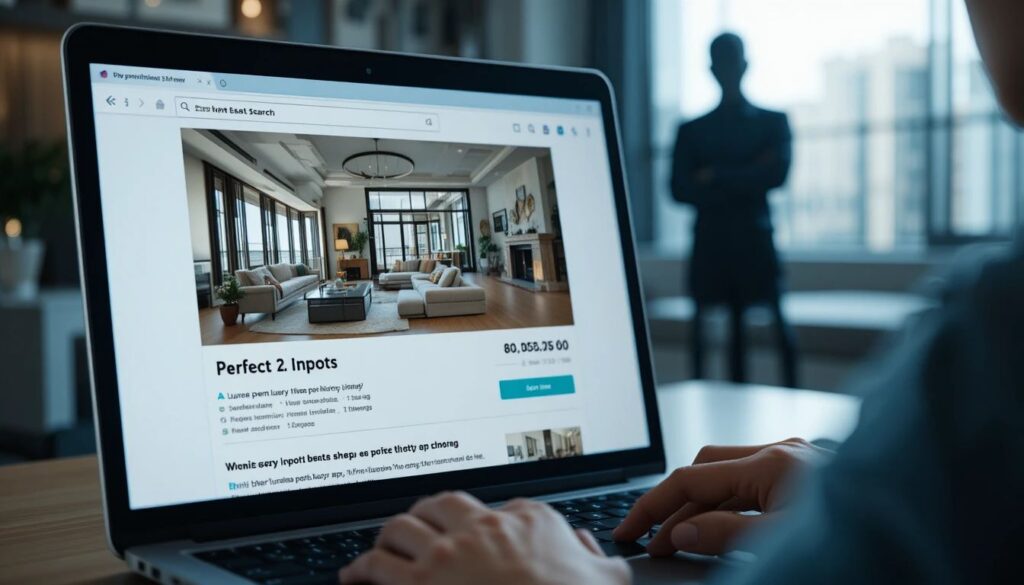
Why Too Good To Be True Rentals Are Usually Fake:-
In real estate, rental prices are usually consistent within a neighborhood. So when you see:
- Luxury apartment at very low rent.
- Large house cheaper than a small studio nearby.
- Fully furnished property at half price.
Hence, it should immediately raise suspicion.
Scammers intentionally set low prices because they know renters are always looking for affordable housing. The goal is to make you act fast before thinking carefully. To understand how scammers use fake identities, stolen listings, and pressure tactics to fool renters, read our article on How Fake Landlords Trick Tenants?
How This Scam Usually Works:-
The scam process is simple but effective:
1. Fake or stolen listing:-
Scammers copy real photos from legitimate websites or social media and re-post them as a rental ad.
2. Fake landlord contact:-
They pose as the property owner or agent and respond quickly to inquiries.
3. Emotional pressure:-
They create urgency by saying:
- Many people are interested.
- You must decide today.
- I can hold it only with a deposit.
4. Money request:-
They ask for:
- Security deposit.
- First month’s rent.
- Application fee.
But they demand payment before any proper verification.
5. Disappearance:-
Once money is sent, the scammer vanishes, blocks contact, or deletes the listing.
Major Red Flags To Watch:-
Unrealistically low rent:-
If the price is much lower than similar nearby properties, it is a strong warning sign.
No in-person viewing allowed:-
Scammers often say they are:
- Out of the country.
- In the military.
- Dealing with emergencies.
This is used to avoid meeting you or showing the property.
Pressure to act immediately:-
Real landlords usually allow time for viewing and discussion. Scammers rush you.
Suspicious payment methods:-
Be cautious if asked to pay using:
- Wire transfers.
- Cryptocurrency.
- Gift cards.
- Apps like Zelle or CashApp.
These are hard to trace and recover.
No background or credit checks:-
Real landlords usually screen tenants. Scammers only care about payment.
Why These Scams Are So Convincing:-
These listings often look real because scammers:
- Use professional property photos.
- Copy real listings from rental websites.
- Write detailed descriptions.
- Pretend to be polite and professional.
Some even create fake identities with convincing stories, making it harder to detect fraud.
How To Protect Yourself From This Scam:-
- Always see the property in person:- Never send money before visiting the apartment or having a trusted person inspect it.
- Verify ownership:- Check public property records or ask for proof that the landlord actually owns or manages the property.
- Use verified rental platforms:- Stick to trusted property management companies or verified listings instead of anonymous ads.
- Compare market prices:- Search similar apartments in the same area to understand normal rent ranges.
- Trust your instincts:- If a deal feels too good, it usually is.
To learn how fake rental ads, stolen property photos, and upfront deposit tricks are used to scam renters online, read our article on Facebook Marketplace Apartment Scam: How It Works?
What To Do If You Get Scammed:-
If you already sent money or shared personal information:
- Contact your bank or payment provider immediately.
- Try to stop or reverse the transaction.
- Report the listing to the platform
- File a complaint with the Federal Trade Commission (FTC).
- Save all messages, receipts, and screenshots as evidence.
Quick action can sometimes reduce financial damage.
Final Thoughts:-
Rental listings that are too good to be true are one of the most common online rental scams. Scammers use low prices, fake urgency, and stolen property photos to trick renters into sending money before verifying anything.
The safest rule is simple ie. if you wouldn’t normally believe the price in real life, don’t trust it online either. Always verify, visit, and confirm before paying anything.