A landlord in the U.S. usually must fix urgent plumbing problems like no water or sewage issues within 24–48 hours. For smaller issues like leaks or slow drains, dripping pipe or water leak under the sink,repairs are typically expected within 7–30 days depending on state law and what is considered a reasonable time.
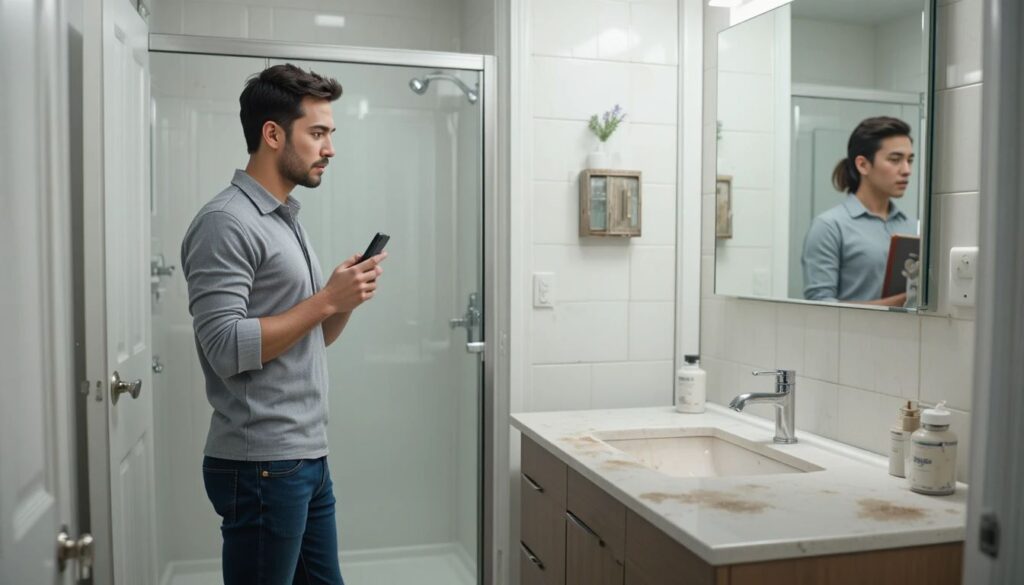
General Rule In The USA:-
In the United States, landlords are legally required to keep rental housing in a safe and livable condition. This includes working plumbing systems.
Plumbing is considered essential for habitability, so problems involving water, toilets, and sewage are taken seriously.
In general:
- Emergency plumbing issues must be fixed quickly.
- Non-emergency issues must still be repaired within a reasonable time.
The exact timeline depends on:
- State landlord-tenant laws.
- Severity of the issue.
- Whether the home is still livable.
- How quickly the landlord responds after written notice.
For example, in many states, courts and housing authorities expect landlords to act faster when the problem affects basic living needs.
You can also find general tenant housing guidance from the U.S. Department of Housing and Urban Development (HUD) here.
Emergency Plumbing Repairs (24–48 hours):-
Emergency plumbing problems are those that make the home unsafe or unusable.
These usually include:
- No running water;
- Sewage backup;
- Burst pipes or major flooding;
- Major leaks causing damage;
- Completely blocked toilets (if only one bathroom).
In these cases, landlords are generally expected to act within 24 to 48 hours, sometimes even sooner if health risks exist.
Non-Emergency Plumbing Repairs (7–30 days):-
Non-emergency issues are still important but do not immediately make the home unlivable.
Examples:
- Dripping faucets;
- Slow drains;
- Small leaks under sinks;
- Running toilet;
- Low water pressure (minor).
For these issues, landlords are usually given a reasonable time, often between 7 and 30 days, depending on local laws and repair complexity.
State Differences:-
Plumbing repair rules are not identical across the U.S.
- California: strict habitability laws; urgent repairs expected quickly.
- New York: strong enforcement through housing agencies and inspections.
- Texas: requires proper written notice before escalation.
- Florida: allows landlords a reasonable time but depends on severity.
So the same plumbing issue may have slightly different legal timelines depending on where you live.
Exceptions:-
A landlord may not be fully responsible if:
- Damage was caused by tenant misuse (e.g., flushing non-flushable items).
- Tenant did not report the issue in time.
- Temporary utility shutdown by the city.
- Minor cosmetic plumbing issues not affecting usability.
However, if the issue affects water supply or sanitation, landlords are almost always responsible.
Real Scenarios:-
Example 1: No water in apartment:-
A tenant has no running water. The landlord must treat it as an emergency and act quickly, usually within 24–48 hours.
Example 2: Slow leak under sink:-
A tenant reports a small leak. The landlord schedules a repair within two weeks.
Example 3: Sewer smell in bathroom:-
The issue is reported but ignored. After written notice, the tenant contacts housing inspection for enforcement.
What To Do Next:-
1. Report the issue in writing:-
Always send:
- Clear description of the plumbing issue.
- When it started.
- How it affects your home.
2. Take photos or videos:-
This helps prove severity if the landlord delays repairs.
3. Give a reasonable deadline:-
- Emergencies: 24–48 hours.
- Non-emergencies: up to 30 days depending on issue.
4. Contact housing authorities if ignored
If no action is taken, report to:
- Local housing department.
- Building inspector.
- Health or sanitation office.
5. Understand your legal options:-
Depending on your state, you may be able to:
- Request rent reduction.
- Use repair and deduct (only where legal).
- Break the lease in severe cases.
Always check local laws before withholding rent. If your landlord ignores repair requests or delays fixing the issue, you can follow the same escalation steps explained in our guide on Landlord Ignoring Repair Requests What Can I Do.
Common Mistakes:-
- Only making verbal complaints:- Always follow up in writing for legal protection.
- Waiting too long to report:- Delays can make plumbing damage worse and harder to prove.
- Fixing major plumbing yourself:- This can create liability and worsen damage.
- Ignoring small leaks:- Small leaks can turn into major habitability issues quickly.
Final Thought:-
Plumbing problems are considered serious because they affect basic living conditions. While exact timelines vary by state, landlords are generally expected to fix emergencies within 24–48 hours and non-emergency issues within a reasonable time. The strongest protection for tenants is fast written reporting, strong documentation, and escalation to local housing authorities if needed.