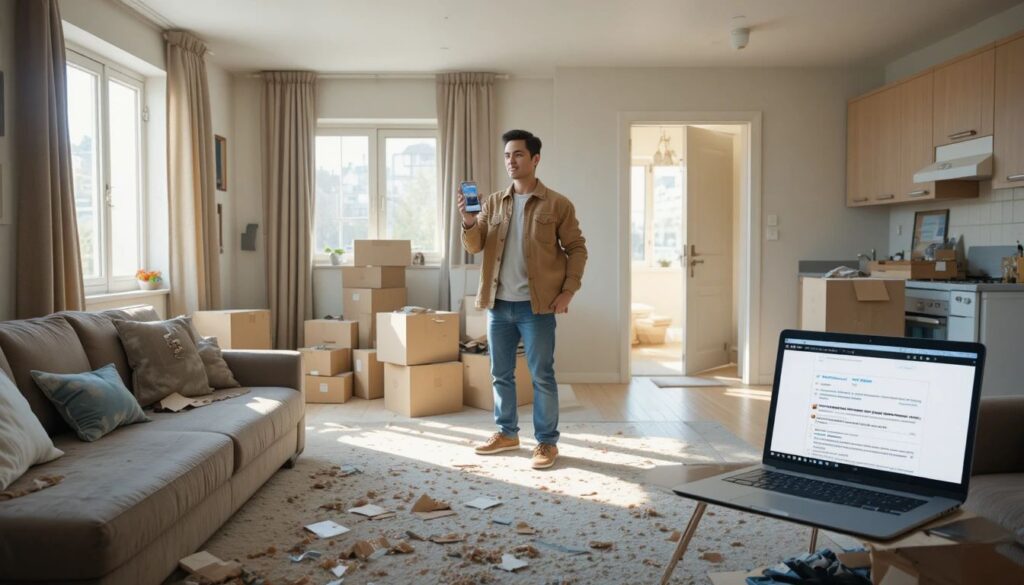
If your apartment is dirty when you move in, you should immediately document everything with photos and videos, notify your landlord in writing, and request proper cleaning. In the USA, landlords are generally expected to provide a livable and reasonably clean unit at move-in.
If the condition is poor, you should report it quickly so you are not blamed later and so the issue gets fixed properly.
State-Specific Explanation:-
In most parts of the United States, landlords are required to provide rental units that are safe, habitable, and reasonably clean at the start of a lease. While perfect cleanliness is not always required, the apartment should not be left in a dirty or unsafe condition.
Common expectations at move-in include:
- Clean floors and surfaces.
- Sanitized bathroom and kitchen.
- No leftover trash or debris.
- Working plumbing and fixtures.
- No pest infestation or strong odors.
If an apartment is dirty at move-in, tenants should act quickly because this helps protect them from being blamed later during move-out inspections.
Why quick reporting matters:-
If you do not report the condition immediately, a landlord might later claim:
- The mess was caused by you.
- The damage happened during your tenancy.
- Cleaning costs should be deducted from your deposit.
That is why early documentation is extremely important. For general renter protection guidance in the United States, you can visit USA.gov Tenant Rights Information.
Exceptions:-
There are situations where a slightly unclean apartment may not be considered a legal violation, but serious conditions are different.
Minor issues (usually not serious):-
- Dust on surfaces.
- Light floor dirt.
- Small leftover stains from previous tenant.
- Minor smudges on windows.
These are often fixed quickly by landlords or housekeeping teams.
Serious issues (must be addressed):-
- Trash left behind.
- Mold or mildew.
- Pest infestation (cockroaches, rodents).
- Strong bad odors.
- Dirty bathrooms or kitchens.
- Uncleaned appliances.
- Biohazard or unsafe conditions.
If the apartment is unsafe or unhealthy, landlords are generally expected to fix it immediately.
Lease agreement importance:-
Some leases mention the condition of the unit at move-in. However, even if the lease is silent, landlords still usually must provide a livable space.
Real Scenarios:-
Example 1: A tenant moves into an apartment and finds the kitchen greasy, with leftover food in cabinets. The tenant takes photos and emails the landlord the same day. The landlord sends a cleaning crew the next day, and the issue is resolved.
Example 2: In another case, a renter finds hair, dust, and dirty bathrooms throughout the unit. The tenant documents everything and requests professional cleaning in writing. The landlord initially delays, but after follow up, agrees to a full professional cleaning service.
Example 3: Another tenant moves in and starts cleaning the apartment themselves without reporting the issue. Later, the landlord refuses to reimburse them because there was no written proof or complaint at the time of move-in. This shows why documentation is important.
If you are also dealing with cleaning or condition disputes during move-out, this FAQReply.com article may help: Can Landlord Charge For Normal Wear And Tear? because move-in condition records are often used later in deposit disputes.
What To Do Next:-
If your apartment is dirty when you move in, follow these steps carefully:
1. Take photos and videos immediately:-
Capture:
- Floors;
- Bathrooms;
- Kitchen;
- Appliances;
- Walls;
- Any pests or trash.
Make sure the evidence is dated if possible.
2. Notify the landlord in writing:-
Send an email or message describing the condition clearly. Avoid only verbal communication.
3. Request professional cleaning:-
Ask the landlord to send professional cleaners instead of expecting you to fix everything yourself.
4. Fill out move-in inspection form carefully:-
Write all issues in detail so you are not blamed later.
5. Do not ignore serious issues:-
If the apartment is unsafe, report it immediately and escalate if needed.
6. Keep all records:-
Save:
- Emails;
- Photos;
- Messages;
- Inspection forms.
7. Consider reimbursement if you clean yourself:-
If you are forced to clean, keep:
- Receipts for supplies;
- Proof of cleaning work;
- Before and after photos.
You can then request compensation or credit from your landlord.
Common Mistakes:-
One common mistake is moving in without documenting the dirty condition. Without proof, landlords may deny responsibility later.
Another mistake is cleaning everything without notifying the landlord. This removes evidence and can weaken your case.
Some tenants also rely only on verbal complaints. Written communication is always stronger because it creates a record.
Another issue is delaying the report. If you wait too long, the landlord may claim the problem was caused after you moved in.
Some renters also forget to fill out move-in inspection forms properly, which can lead to deposit disputes later.
Final Thought:-
Moving into a dirty apartment can be frustrating, but it is a situation you can handle effectively if you act quickly. The most important steps are documenting everything, reporting the issue in writing, and requesting proper cleaning from the landlord.
In most cases, landlords are expected to provide a reasonably clean and livable home at move-in. By keeping clear records and communicating early, you protect yourself from future disputes and avoid being unfairly blamed for existing problems.