Before moving into an apartment, you should carefully inspect the unit for damage, test all utilities and appliances, check for leaks or pests, confirm safety features work properly, and document everything with photos or videos.
You should also review the lease carefully, set up utilities, confirm parking and key access, and complete a move-in checklist. Taking these steps before unpacking can help you avoid future repair problems, surprise charges, or security deposit disputes.
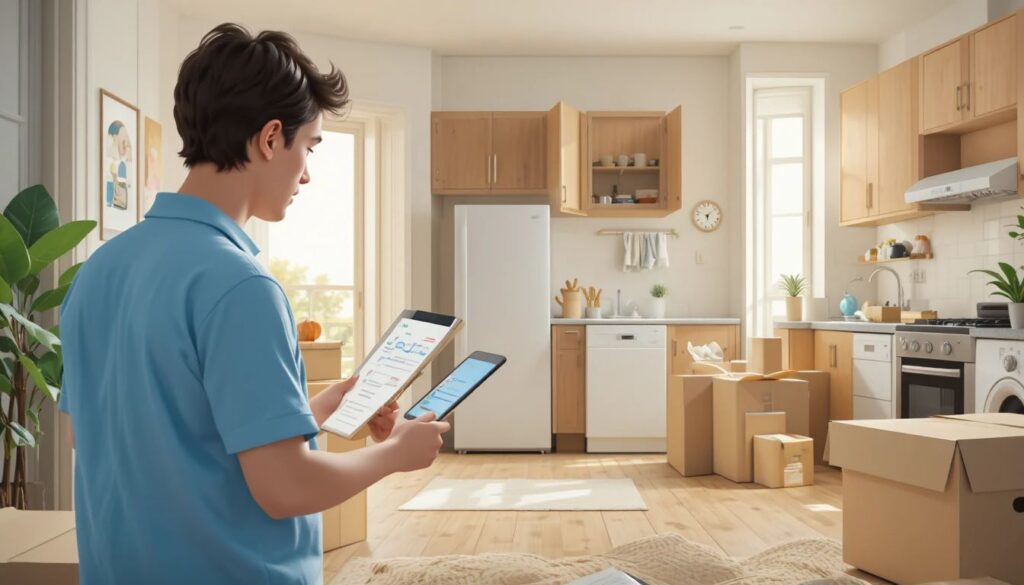
General Explanation:-
Moving into a new apartment is exciting, but many renters later discover problems they missed during the move-in process. In the United States, tenants are often responsible for reporting existing damage early. If you fail to document problems before moving in, you could later be blamed for damage you did not cause.
The U.S. Department of Housing and Urban Development encourages tenants to inspect rental units carefully and understand their lease rights and responsibilities before occupancy. A detailed inspection protects both the tenant and landlord and helps avoid misunderstandings later.
A proper move-in inspection is not only about appearance. It is also about checking:
- Safety;
- Functionality;
- Cleanliness;
- Utilities;
- Security;
- Habitability.
Even small issues can become expensive or stressful later if ignored.
Things To Physically Inspect Before Moving In:-
Doors and locks:-
- Check if all doors close properly.
- Test locks and deadbolts.
- Make sure windows lock securely.
Security problems should be reported immediately.
Plumbing and water:-
- Turn on all sinks and showers.
- Check water pressure.
- Flush toilets.
- Look under sinks for leaks or mold.
Water damage can become serious quickly if unnoticed.
Electricity and outlets:-
- Test light switches.
- Plug a charger into outlets.
- Check ceiling fans and ventilation.
Faulty outlets or exposed wiring should be reported immediately.
Appliances:-
Test all included appliances:
- Refrigerator/freezer.
- Stove and oven.
- Dishwasher.
- Microwave.
- Washer/dryer if included.
If something is not working, notify the landlord before move-in.
Pests and cleanliness:-
Look for:
- Roach or mouse droppings.
- Pest traps.
- Bad smells.
- Mold or stains.
Check behind appliances and inside cabinets carefully.
Safety devices:-
Test:
- Smoke detectors.
- Carbon monoxide detectors.
- Fire alarms.
The U.S. Consumer Product Safety Commission recommends working smoke and carbon monoxide alarms in residential housing to improve tenant safety. You may also find this helpful: Broken Fridge In Apartment: How Long To Fix?, which explains how quickly landlords should respond to essential appliance issues and what tenants can do if repairs are delayed.
Administrative Things To Check:-
Read the lease carefully:-
Pay attention to:
- Repair responsibilities.
- Pet policies.
- Parking rules.
- Guest restrictions.
- Security deposit conditions.
Do not rely only on verbal promises.
Document everything:-
Before unpacking:
- Take photos/videos of every room.
- Capture scratches, stains, dents, or damage.
- Save copies of move-in forms.
This helps protect your security deposit later.
Confirm keys and access:-
Make sure you receive:
- Apartment keys.
- Mailbox keys.
- Garage remotes or fobs.
- Building access codes.
Utilities and internet:-
Confirm:
- Electricity setup.
- Water and gas accounts.
- Internet installation date.
Some services may require advance scheduling.
Parking and laundry:-
Ask:
- Where your assigned parking is.
- Visitor parking rule.
- Laundry room access and payment method.
Real Scenarios:-
- A tenant skips documenting wall damage and later loses part of the security deposit for new scratches that already existed.
- Another renter tests outlets before moving in and discovers several do not work, allowing repairs before furniture arrives.
- A tenant notices mold under the kitchen sink during move-in inspection and reports it immediately, preventing future disputes.
These situations show why detailed inspection matters before unpacking.
What To Do Next:-
Here is a simple move-in checklist:
Before moving furniture inside:-
- Test plumbing and appliances.
- Check locks and windows.
- Look for leaks or pests.
- Take photos/videos.
- Submit move-in condition report.
Before move-in day:-
- Transfer utilities.
- Buy renters insurance.
- Confirm internet installation.
- Review lease again.
The U.S. Department of Housing and Urban Development provides general tenant rights and rental guidance, including maintaining safe and livable housing conditions.
Common Mistakes:-
- Not documenting existing damage.
- Forgetting to test appliances.
- Ignoring signs of mold or leaks.
- Relying only on verbal agreements.
- Waiting until after moving in to report issues.
Final Thought:-
Checking an apartment carefully before moving in can save you money, stress, and future disputes. A few extra hours spent inspecting the unit, testing appliances, and documenting problems can protect your security deposit and help ensure your new home is safe and comfortable.
The best approach is to inspect everything carefully before unpacking and communicate any issues to the landlord immediately.