If you are dealing with problems like no hot water in your apartment, a toilet not working, or plumbing issues, you may be wondering how long a landlord has to fix these problems and what to do if they don’t respond. Many tenants also ask how to report a landlord violation in such cases.
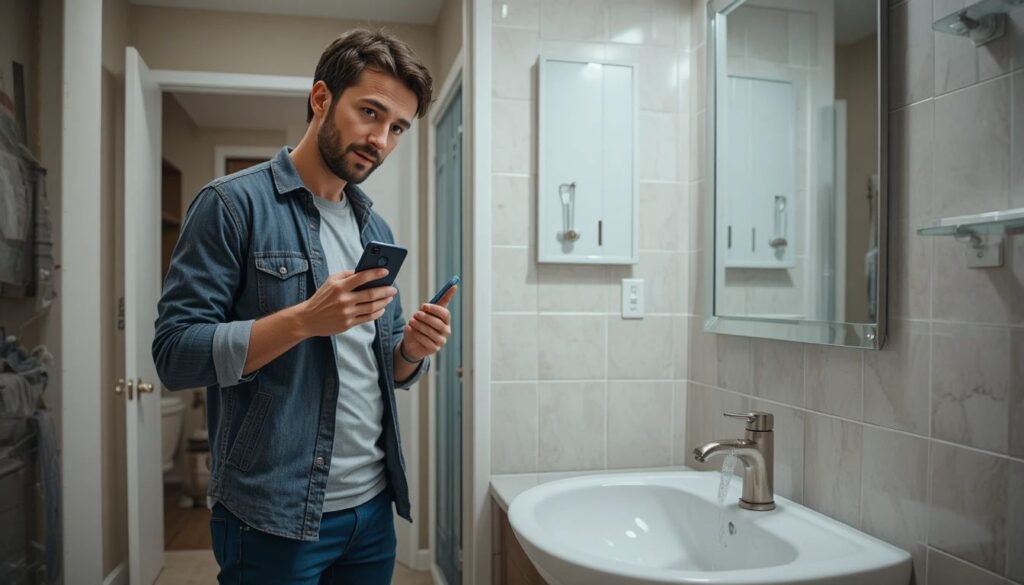
In the U.S., landlords must provide essential services like hot water and working plumbing because they are required to keep the property safe and livable. Most emergency issues, such as no hot water or a broken toilet, must be fixed quickly often within 24 to 72 hours, while smaller plumbing problems may take longer but still must be repaired within a reasonable time.
If your landlord ignores the issue, you should report it in writing, keep proof, and follow legal steps like filing a complaint or reporting the violation. In serious cases, you may also have the right to take legal action or break your lease. Always document everything before taking further action.
To better understand whether your issue is the landlord’s responsibility, this guide clearly explains what repairs landlords must fix: What Repairs Landlord Is Responsible For?
Understanding Your Rights When There Is No Hot Water:-
Hot water is not a luxury, it is a basic necessity. Under U.S. rental laws, landlords must provide essential services like:
- Hot and cold running water.
- Working plumbing system.
- Safe and livable conditions.
This comes under the legal rule called implied warranty of habitability, which means your home must meet basic living standards.
Without hot water, your apartment may be considered unlivable, especially if the issue continues for more than a short time.
For official guidance on housing conditions and tenant rights, you can refer to HUD’s government resource here.
How Long Landlord Has To Fix Plumbing Issue:-
There is no single fixed timeline, but the law uses the idea of reasonable time.
Emergency Repairs:-
These must be fixed quickly:
- No hot water.
- Broken toilet.
- Burst pipe.
- No running water.
Typical timeframe:
- 24 to 72 hours.
Non-Emergency Repairs:-
These include:
- Small leaks.
- Slow drains.
- Minor plumbing issues.
Typical timeframe:
- 7 to 30 days depending on severity.
What To Do If Toilet Is Not Working In Rental Apartment:-
A broken toilet is considered a serious issue.
You should:
- Inform landlord immediately.
- Send written notice (email/text).
- Keep proof (photos/videos).
- Request urgent repair.
If ignored:
- Follow up again.
- Treat it as a habitability issue.
- Escalate if needed.
A non-working toilet can make a home unsafe and may require immediate repair.
Landlord Ignoring Plumbing or Hot Water Issues What To Do:-
If your landlord is not responding, follow these steps:
Report in Writing:-
Always:
- Send email or letter.
- Clearly explain the issue.
- Ask for repair timeline.
Keep Evidence:-
- Photos/videos.
- Dates of complaints.
- Messages.
Give Reasonable Time:-
Even for emergencies, allow short time (24-72 hours).
Send Final Notice:-
If ignored:
- Send second warning.
- Mention possible legal action.
Take Legal Steps:-
If nothing happens:
You can:
- File complaint with housing authority.
- Report landlord violation.
- Use repair-and-deduct (if allowed).
- Break lease in serious cases.
How To Report Landlord Violation:-
If your landlord fails to fix serious issues, you can report them.
You can contact:
- Local housing authority.
- City code enforcement.
- Health department.
Reporting helps:
- Force repairs.
- Protect your rights.
- Create official record.
In severe cases, authorities may fine the landlord or take legal action.
Can You Break Lease Due To No Hot Water:-
Yes, in serious cases.
You may break your lease if:
- No hot water for extended time.
- Landlord ignores requests.
- Living conditions become unsafe.
This is considered a violation of habitability.
But before breaking lease:
- Give written notice.
- Keep strong proof.
- Allow time to fix.
How To Handle Emergency Plumbing Issues In Apartment:-
Emergency plumbing problems like no hot water or a broken toilet must be treated seriously. You should report them immediately and expect quick action from your landlord. If the landlord delays beyond a reasonable time, you have the right to escalate the issue legally.
The key steps are simple i.e. report, document, wait a reasonable time, and take action if needed.
Real Scenarios:-
Scenario 1: No Hot Water for Days:-
Tenant reports issue. Landlord delays. After 2-3 days without repair, tenant files complaint and escalates legally.
Scenario 2: Broken Toilet Ignored:-
Tenant informs landlord. No response. Tenant sends written notice and follows legal steps.
Scenario 3: Plumbing Issue Fixed Late:-
Tenant reports leak. Landlord fixes within reasonable time. No legal issue.
What To Do Next:-
- Report problems immediately.
- Always use written communication.
- Keep records from the start.
- Know your rights.
- Escalate step by step.
Common Mistakes To Avoid:-
- Not reporting in writing.
- Waiting too long.
- Not collecting proof.
- Taking action without notice.
- Ignoring legal process .
If your landlord uses an online system, submitting repair requests properly can speed up action and protect your rights, follow this guide: How Do I Request Maintenance Repairs Through Popular Rental Management Portals?
Final Thought:-
Plumbing and hot water problems are not small issues, they directly affect your daily life and health. The law clearly supports tenants in these situations.
The most important thing is to act smart such as reporting early, keeping records, and following the proper steps. If your landlord fails to act, you have strong legal rights to protect yourself and your living conditions.